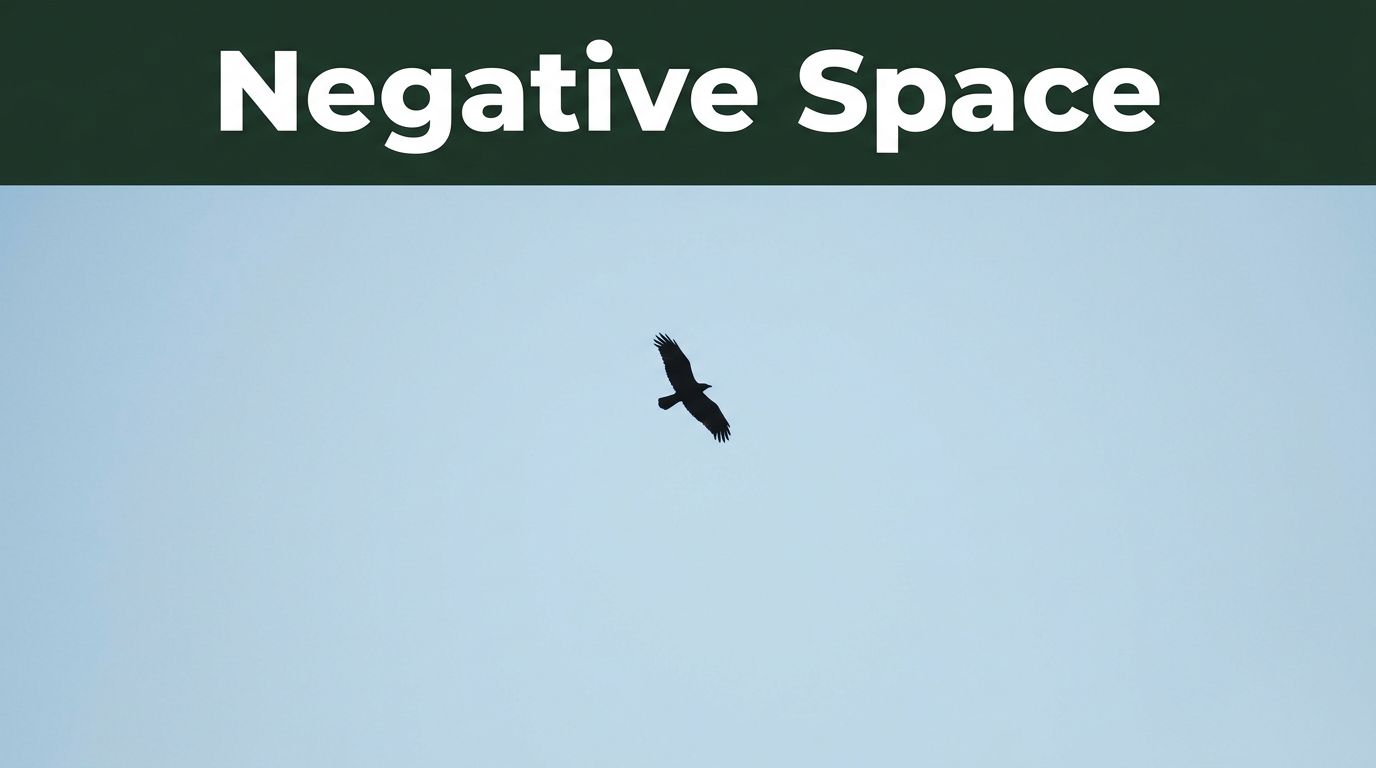
Picture a lone bird soaring high against a vast, empty sky. That wide-open space makes the bird pop and draws your eye right to it.
Negative space is the empty area around your main subject in a photo. It creates balance, stirs emotion, and sharpens focus, turning cluttered snaps into clean, powerful images.
Pros swear by it for 2026’s minimalist social media trends, where simple shots stand out in busy feeds. Keep reading to grab practical tips, real examples, and common pitfalls to avoid, so you can level up your shots today.
What Negative Space Means for Your Everyday Photos
You snap a quick photo of your dog at the park. Bushes, trees, and people crowd the background. Your pup blends right in. Now imagine the same dog against a clear blue sky or smooth grass. It stands out sharp and bold. That’s negative space at work.
Negative space means the plain, empty areas around your main subject, or positive space. Cluttered backgrounds hide subjects and confuse viewers. Empty areas do the opposite. They guide eyes straight to what matters. Think of words on blank paper. The white space makes text easy to read. Photos work the same way.
In everyday shots, negative space often fills 50-60% of the frame. Use plain skies, solid walls, calm water, or blurred zones. This setup adds calm to busy scenes. It shows scale too, like a tiny figure lost in a big field. Your images feel open and strong.
Beginners overlook it because they cram the frame full. They zoom close and chase details. As a result, shots look tight and flat. Yet simple changes bring calm and power. You don’t need fancy gear. Just spot the empty spots first.
For example, frame your kid’s portrait against a foggy morning yard. The haze softens distractions. Or place a coffee cup on a vast wooden table. The space whispers relaxation. These tweaks turn phone snaps into keepers. Check out detailed examples of negative space compositions to see it in action.
Spotting Negative Space in Common Scenes
Hunt for negative space everywhere. Start with nature spots like vast skies over hills. Calm water in lakes reflects nothing but blue. Wide fields stretch uniform green. Deserts offer endless sand flats. Foggy areas blur edges soft.
In cities, plain walls work great. Brick or concrete blocks stay one color. Dark nights frame landmarks sharp against black skies.
Seek uniform color or texture for that minimalist feel. A single shade pulls focus tight. Look up often. Skies give huge empty expanses. Go wide with your lens too. Capture open streets or plazas.
Nature example: A lone tree dots a foggy meadow. Sky swallows the top two-thirds. City shot: One cyclist crosses an empty plaza at dawn. Pavement gleams blank.
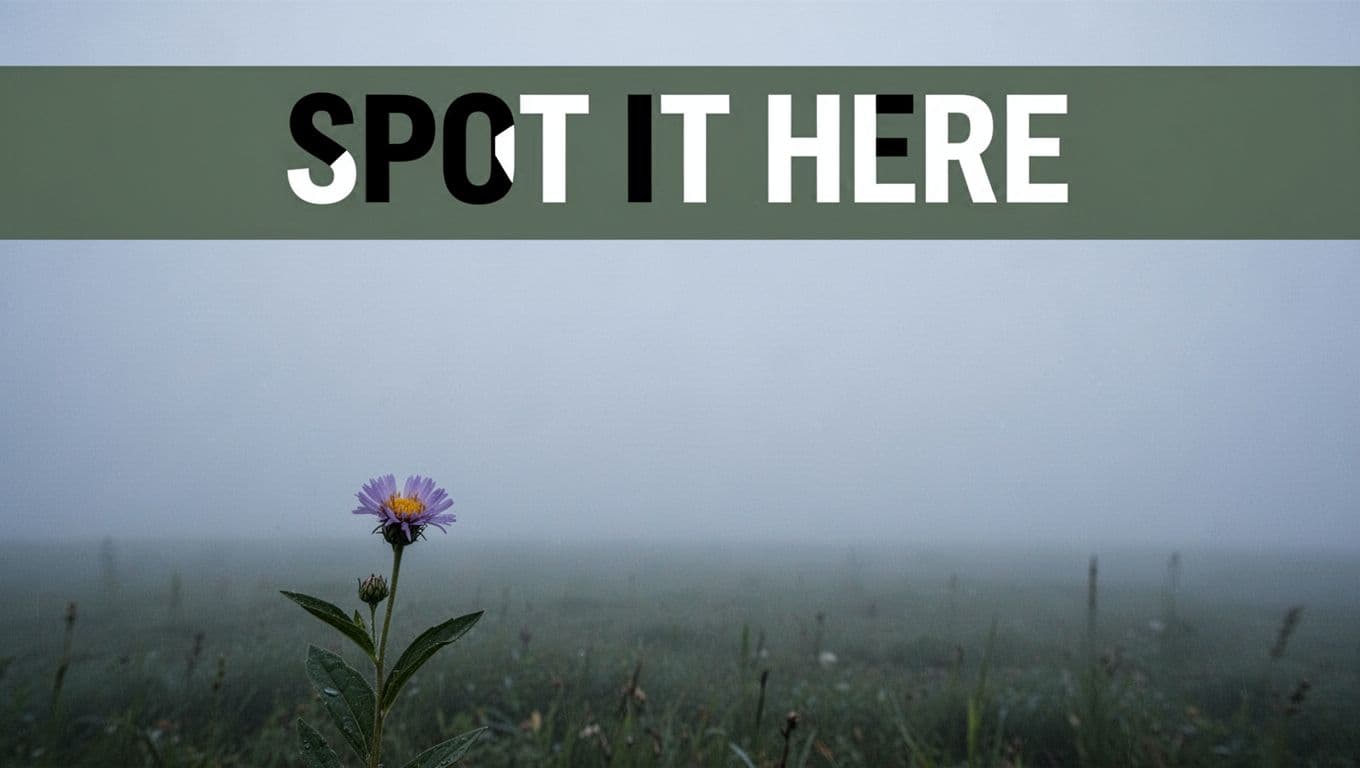
This wildflower in fog shows it perfect. The field and sky dominate. Your subject pops small but strong. Train your eye daily. Soon, you’ll see empty gold everywhere.
How Negative Space Turns Ordinary Shots into Standouts
You take a basic shot of a flower or friend. It looks flat because clutter fights for attention. Add negative space, and that ordinary image grabs eyes right away. The empty areas draw focus to your subject. They create balance and a calm feel too. As a result, viewers relax into the photo.
This technique shines in 2026 social media trends. Feeds overflow with chaos, so calm shots stand out. Vertical formats for Reels and TikTok love wide empty space. It guides eyes up or down for drama. Creators pair it with real moments and bold colors. Your posts gain likes because they feel fresh and peaceful.
Experts back this up. Jimmy Marble calls negative space the adjective to your noun. It describes and boosts the main subject. Petecia Le Fawnhawk-Maggiori pushes a 50% empty space rule. Fill half your frame with blank areas. Then your subject commands the rest.
Key benefits make it a must-try:
- Sharp focus: Empty space pulls eyes straight to the hero.
- Calm balance: It cuts clutter for a steady, soothing vibe.
- Deep emotions: Light areas spark joy; dark ones hint at solitude.
- True scale: Small subjects in big voids show grandeur or tiny place in the world.
Start small. Frame your next portrait with sky or wall behind. Watch it transform. Check 19 emotive images using negative space for quick inspiration.
Bringing Emotions and Scale to Life
Negative space sets the mood fast. Bright, light areas bring happy vibes. A kid laughs against a sunny sky. Joy bubbles up because openness matches the fun. Dark space flips it. A figure alone in shadows feels isolated. Tension builds from the void.
Scale hits hard too. Place a tiny subject in a huge empty zone. It shows grandeur. Your hiker looks small against endless peaks. Viewers sense adventure’s vast pull. Or isolation grips when one boat dots a foggy sea.
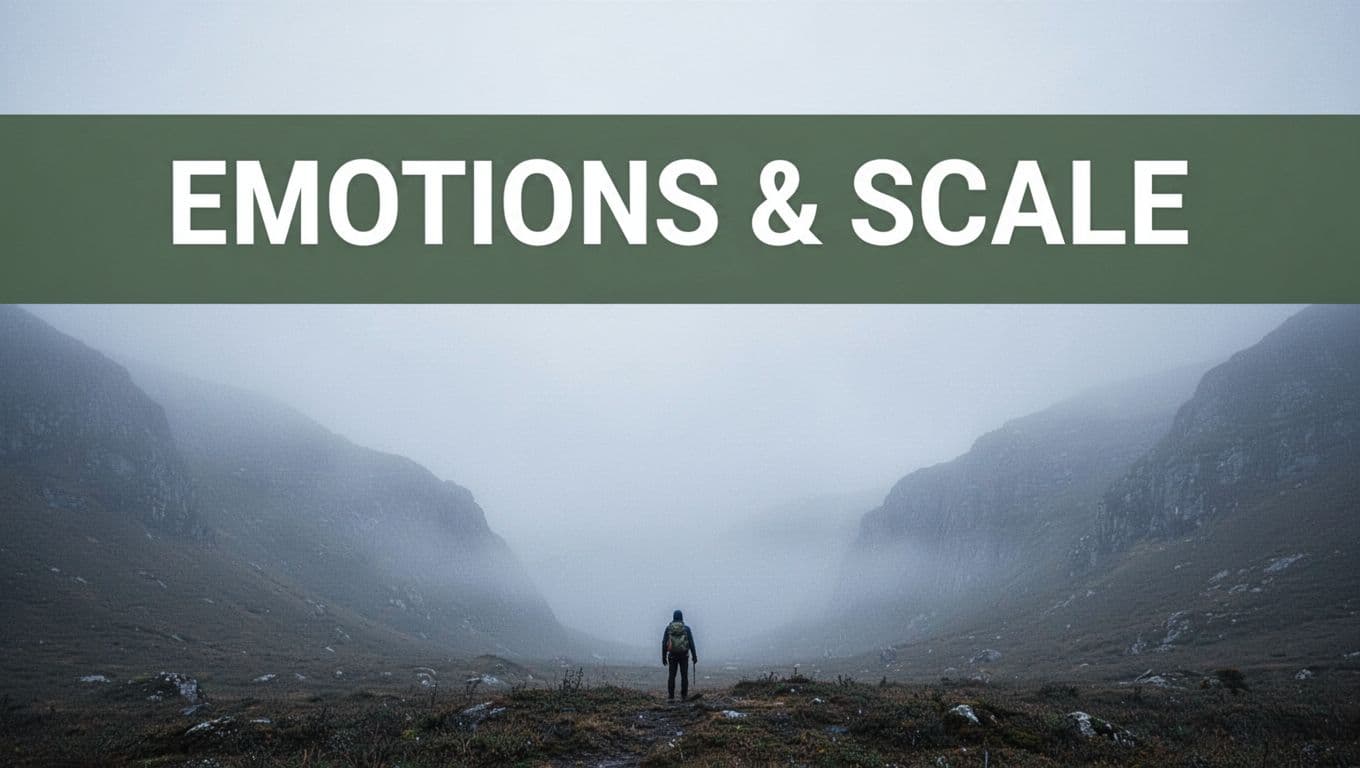
This hiker nails it. Fog and sky swallow most of the frame. Emotions stir: awe, maybe loneliness. No need for busy details.
Try quick swaps. Shoot a bird over bleach-white clouds for peace. Or a car on blacktop at dusk for mystery. Light space lifts spirits. Dark pulls heartstrings. Big voids dwarf subjects into epic tales. You control the feel just by leaving room empty. Social feeds crave this now. Post one, and watch engagement soar.
Simple Techniques to Nail Negative Space Every Time
You spot empty space all the time now. Great. Next, put it to work with straightforward tricks. These steps make your shots clean and bold every shot. First, hunt plain backgrounds like skies or calm water. Then, blur distractions with a wide aperture. Position your subject off-center using the rule of thirds. Keep at least half the frame empty. Go minimalist with one clear subject in uniform space. Shoot vast nature fields or quiet city nights. In edits, AI apps spot and boost space fast. Follow these, and your photos pop.
Here is a quick beginner sequence:
- Scan for voids: Look up at skies, down at floors, or across water. They offer blank canvas.
- Open wide: Set aperture to f/1.8 or f/2.8. This blurs backgrounds soft.
- Shift off-center: Place subject at rule-of-thirds intersections. Space breathes around it.
- Fill half empty: Let void take 50% or more. Subject owns the rest.
- Edit smart: Use apps like Luminar Neo for sky tweaks or Adobe Firefly to generate clean voids.
Practice once, and it sticks. Now, let’s break it down.
Blurring and Positioning for Instant Impact
Blur melts clutter into smooth nothing. Drop to a low f-number like f/1.8. Your lens creates shallow depth. Foreground subject stays sharp. Background fades to cream. As a result, eyes lock on what counts.
Position matters too. Use the rule of thirds grid. Imagine lines divide your frame into nine boxes. Place your hero where lines cross. Never dead center. Space flows around it natural.
Aim for half the frame empty at minimum. More works better. Take a boat on blue water. Tiny hull sits low right. Vast water and sky fill the top. Horizon hugs the lower third. Calm hits hard.
Or try a person against a blurred wall. Step back. Wide aperture softens texture behind. Figure leans into open air. Void pulls you in. Check how to balance negative space and rule of thirds for more setups.
These moves work on any camera. Phone shooters, tap portrait mode for blur. Results stun. Your shots gain punch fast.
Minimalist Setups That Wow
Pick one subject only. Surround it with uniform space. No extras fight for space. Simplicity rules.
Nature fields shine here. A single tree dots endless green. Fog rolls low. Sky takes two-thirds up top. Subject shrinks small. Scale awes.
City nights deliver too. Lone streetlamp glows against black void. Wet pavement reflects faint. Buildings fade dark. Tension builds quiet.
Experts swear by it. Wildlife pro Hans Kruse says leave room for the animal to “breathe.” It shows context without chaos. See tips on negative space in wildlife shots.
For 2026 edits, AI speeds tweaks. Midjourney crafts surreal voids. Paste your subject in. Or Adobe Firefly expands skies endless. Trends favor vertical cinematic looks. Shoot tall. Add rim light for glow.
Grab your gear. Head out at dawn. One subject, big empty. Post it. Likes roll in. You nailed it.
Real Photos Proving Negative Space Magic
Seeing negative space work beats any explanation. Real photos show how empty areas make subjects pop with sharp focus and deep emotions. You feel freedom, solitude, or thrill right away. Pros use these setups to grab attention in crowded feeds. Let’s break down four shots that nail it. Each one proves why you should grab your camera now.
Lone Bird in Vast Sky
A small dark bird glides low right against pale blue sky. Empty space fills 80% of the frame. Thin haze marks a far horizon. This setup screams isolation and freedom.
The bird stands out crisp because nothing competes. Sky dwarfs it, so scale hits hard. You sense adventure or peace. Focus locks tight; emotions flow free. Pros love this for minimalist calm.
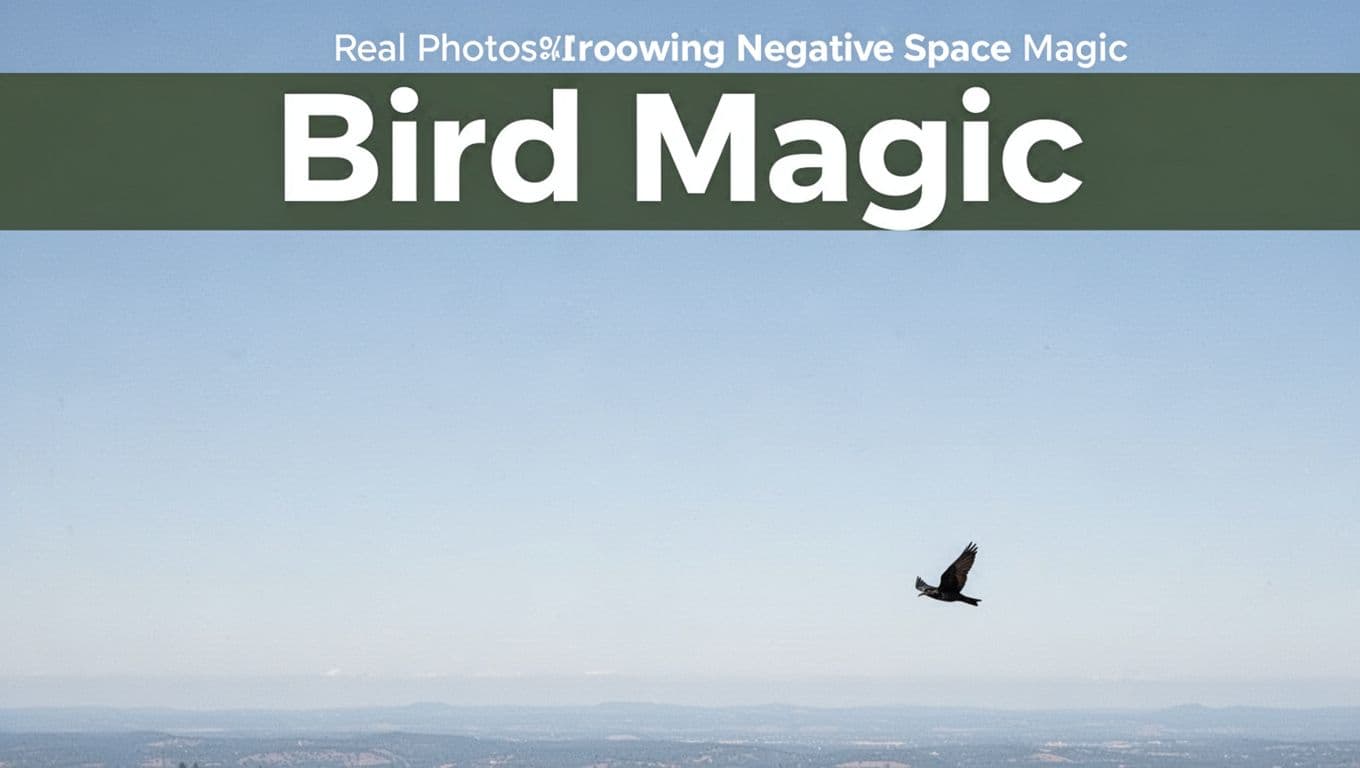
Try it yourself. Spot a bird at dusk. Frame wide. Watch likes pour in.
Tiny Figure on Endless Beach
One distant silhouette stands low center on golden sand. Beach curves to horizon. Turquoise waves and pale sky dominate above. Solitude and grandeur build fast.
Empty ocean and sky shrink the person. It shows our small place in nature. Focus stays pure; heart tugs at loneliness or wonder. Balance feels right because space breathes.
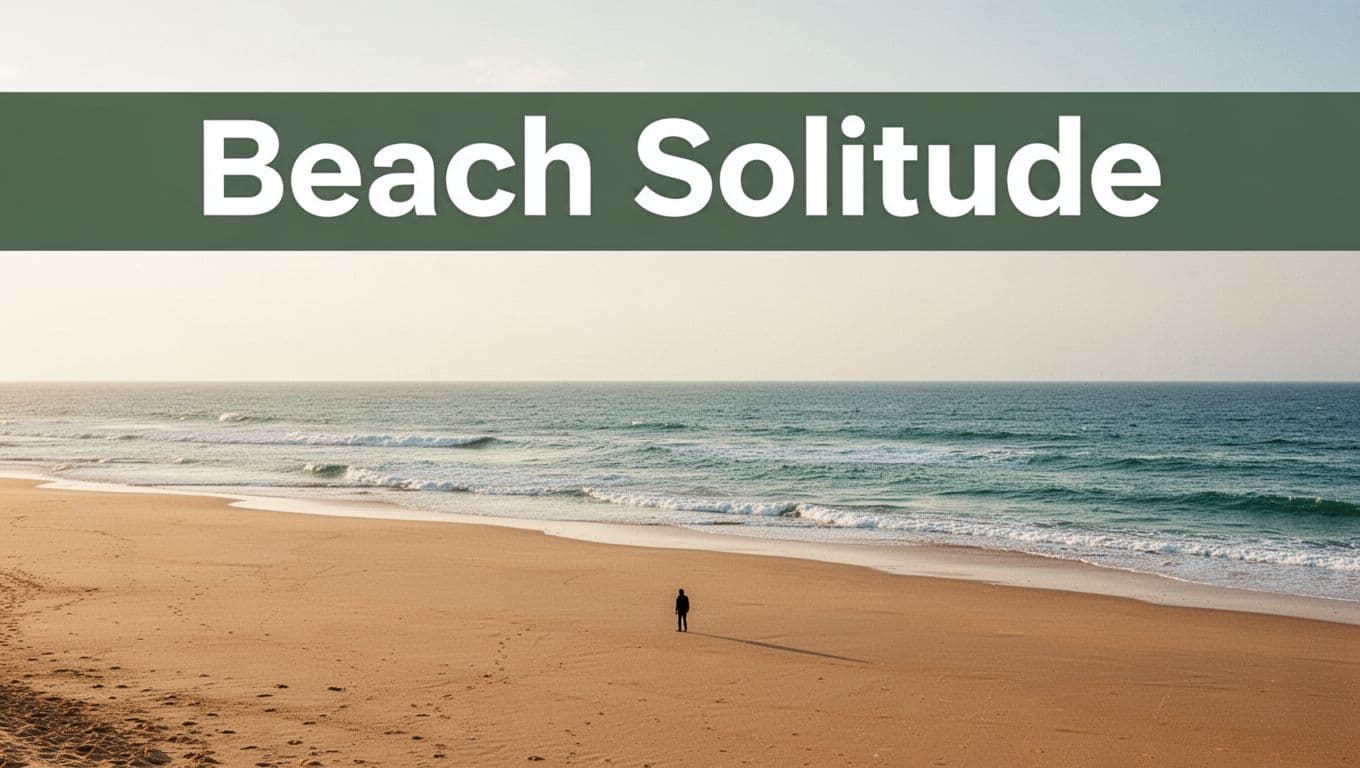
Head to the shore at golden hour. Step back far. Capture that epic feel.
Speedboat on Flat Blue Water
White speedboat streaks low left with wake trail. Calm deep blue water stretches to horizon. Clear sky takes the top. Motion pops against stillness.
Void around it amps speed and isolation. Boat grabs eyes first; energy surges. Emotions mix thrill and calm because space sets the pace. No clutter distracts.

Next lake trip, wait for calm. Shoot from shore. Feel the rush improve your feed.
Portrait Face Against Blurred Plain
Sharp face centers with eyes locked on you. Blurred plain wall fades behind. Soft tones fill space uniform.
Blur turns backdrop to nothing. Face owns the frame; emotions connect direct. It builds intimacy because void quiets chaos. Focus sharpens; trust grows fast. See negative space examples in portraits for more proof.
Step back for your next selfie. Blur that wall. Connect deeper with viewers. These shots prove it: empty space transforms ordinary clicks into magic. Go shoot one today.
Sneaky Mistakes That Kill Your Negative Space
You love how negative space clears clutter and boosts your subject. Yet small slips turn that power into problems. Common errors like cramped frames or dull voids kill the magic. Spot them early, fix them fast, and your shots stay strong. Let’s cover the big ones with simple fixes.
Cramped Frames from Too Little Space
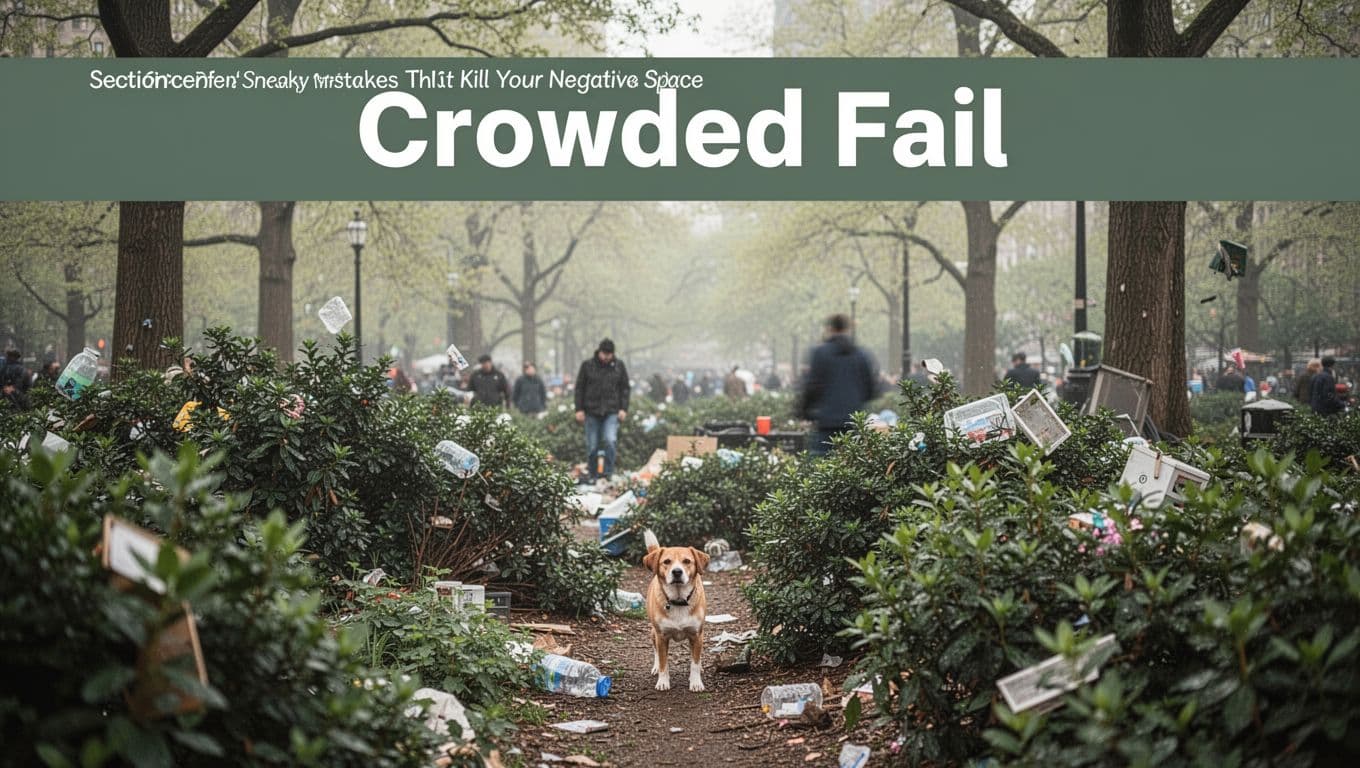
Your subject squeezes in tight. Bushes or crowds fill every inch. As a result, it blends away, and eyes wander confused.
This crowds the photo and drains impact. For example, that park dog shot looks lost in chaos.
Fix it quick: Step back farther. Let sky or grass claim half the frame. Your pup pops clear now.
Distracting Patterns in “Empty” Zones
You pick a blank wall or sky. But stripes, branches, or spots grab attention instead. So the void fights your subject.
Busy textures turn space against you. Viewers miss the point.
Easy tweak: Hunt uniform tones only. Solid blue skies or smooth fog work best. Blur the rest with wide apertures. Check negative space guides for clean backgrounds for pro picks.
Overdoing It into Boring Emptiness
Too much void shrinks your hero tiny. No clear focus leaves shots flat and done.
Scale overwhelms without purpose. A speck in endless white bores fast.
Balance it out: Keep voids at 50-70%. Place subjects off-center on thirds lines. Add subtle light for depth.
Mood Mismatches That Miss the Mark
Dark voids suit lonely scenes. But pair them with happy kids, and vibes clash. Light space fits joy; heavy ones drag calm shots down.
Wrong tone confuses emotions.
Match on purpose: Bright voids for fun, shadows for drama. Test shots in camera previews. Your story lands right every time.
Dodge these traps, and negative space lifts every photo. You got this.
Conclusion
Negative space means the empty areas around your main subject. It sharpens focus, adds calm balance, stirs emotions, and shows scale. Because experts like Jimmy Marble call it the adjective to your noun, it boosts every shot.
You now know key tips: scan for voids, blur backgrounds, place subjects off-center, and fill half the frame empty. Real examples like the lone bird or tiny hiker prove it works. So dodge cramped frames or busy patterns, and your photos transform.
2026 minimalist trends stay hot on social media. Feeds crave that calm pop. Grab your camera today. Hunt empty space for pro-level shots that stop scrolls.
Share your best negative space photo in the comments below. Subscribe for more photography hacks that level up your game. Step into vast skies like that opening bird, and watch your images soar.