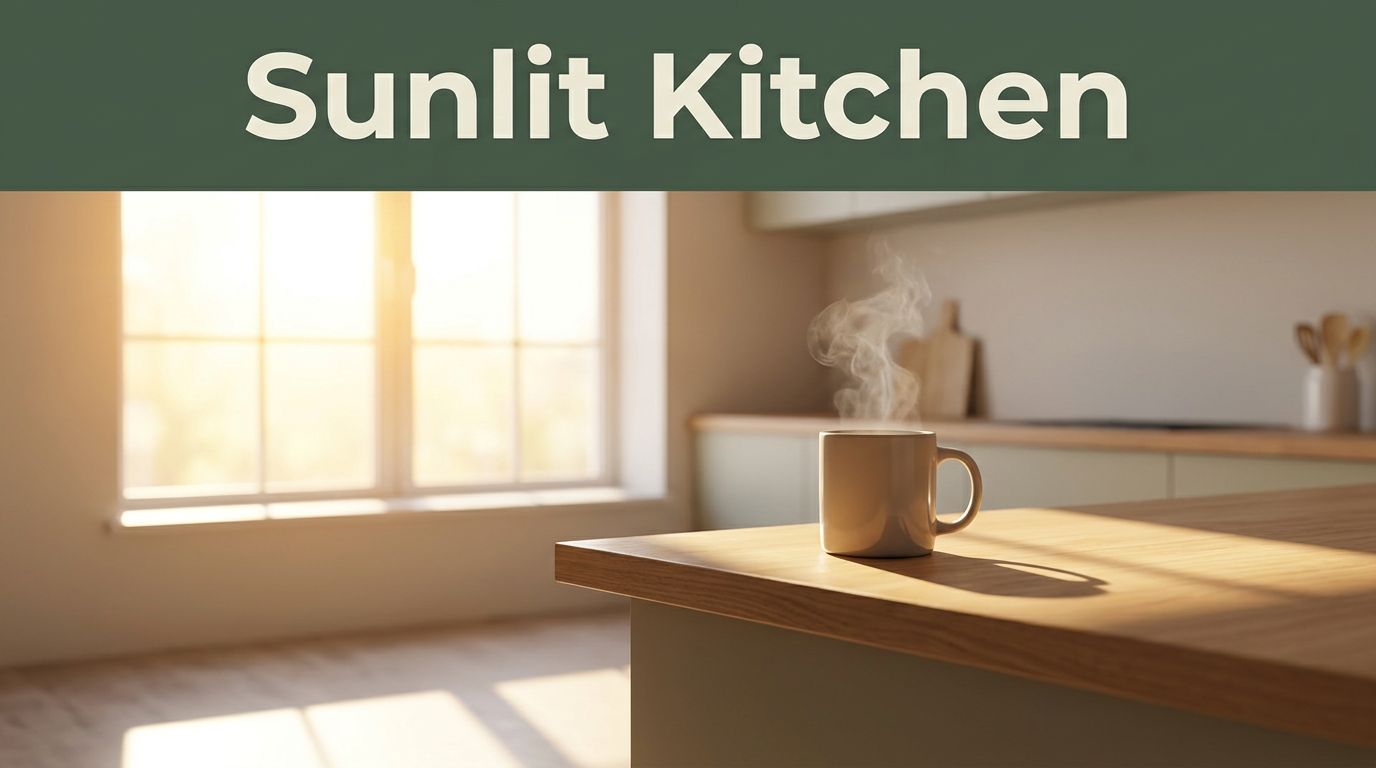
Ever catch sunlight streaming through your kitchen window and feel your whole mood lift? That golden glow doesn’t just brighten the room; it sharpens your focus and even makes your morning coffee photo pop on social media. You’ve felt it, but do you know how to make it work for you every day?
Natural light is simply sunlight or daylight from sources like the sky, with no lamps or bulbs involved. It offers a full spectrum of colors that artificial lights can’t match, and it shifts beautifully from soft morning haze to warm afternoon rays. Because of these changing qualities, it feels alive and even.
You gain real perks from it, too. Studies show it boosts vitamin D to fight off bone issues and heart disease, while balancing your sleep cycle for better rest. A 2023 UK study of half a million people found an extra hour outdoors daily cuts depression risk and lifts happiness. In photos and videos, it delivers true skin tones and soft shadows that pros love. For your home, big windows mean less stress and homes that sell faster.
In this post, we’ll break down its science, share health and mood wins, and give practical tips to capture it in photography, videography, and home setups. So, how much natural light are you letting in today?
Unpack Natural Light: Sources and What Sets It Apart
Natural light pops up everywhere in our world, yet we often stick to the obvious like sunlight. You see, it flows from the sun during the day and surprises us at night too. Let’s spot those everyday sources first, then see why your body craves it over any bulb.
Everyday Sources You Might Overlook
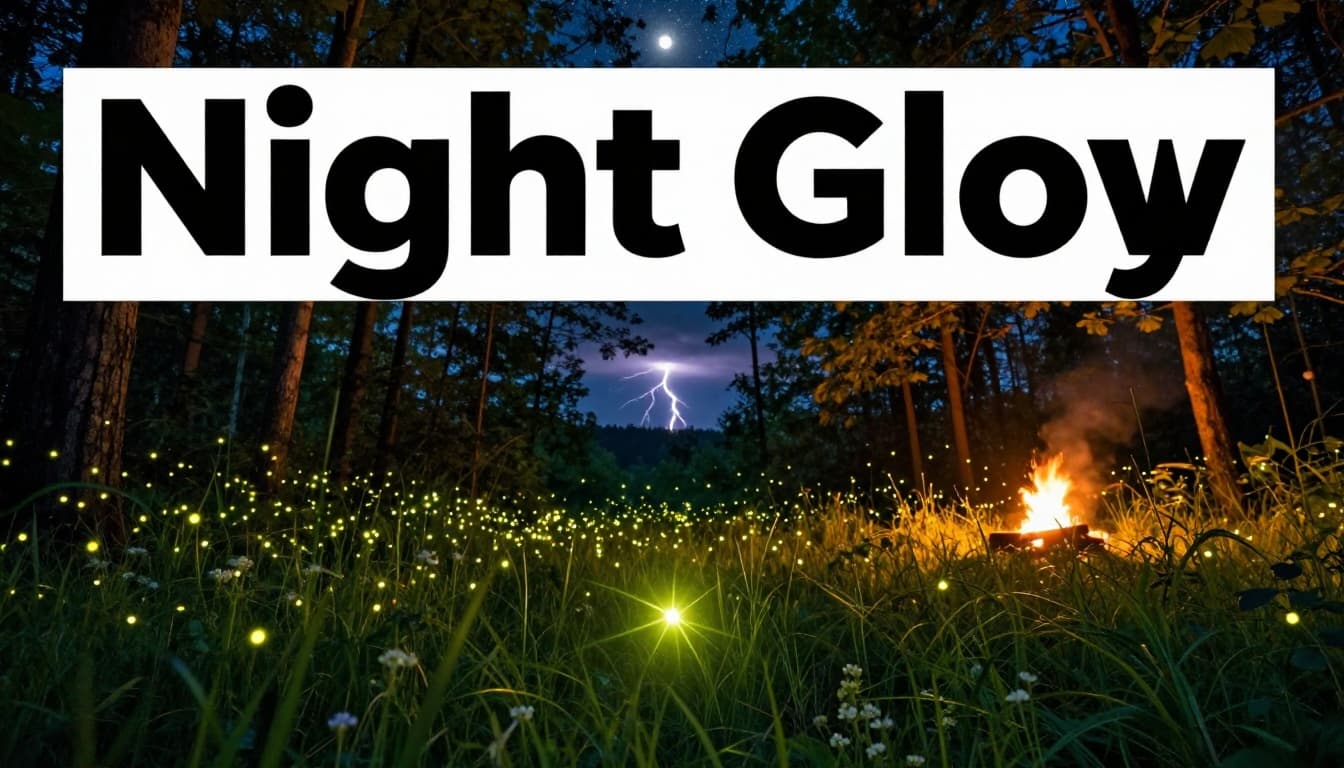
The sun rules as our top source. It bathes plants in warmth, sparks growth, and fills your skin with energy on a clear day. But look closer at night. Stars twinkle softly overhead, casting a faint silver glow on quiet fields.
Fire adds its own dance. Picture a campfire crackling in the woods; flames leap and warm your hands while lighting faces with orange flickers. Lightning strikes fast too. Those quick sky flashes turn night into day for a split second, revealing hidden shapes.
Then come fireflies. These little bugs light up summer nights with bioluminescent sparks, like living lanterns chatting in the dark. For more on their glow, check the science of firefly bioluminescence. Nature packs these sources with fun surprises, so next time you’re outside, hunt them down.
Why It Feels Better Than Bulbs or LEDs
Natural light wins because its spectrum stays even and full, unlike bulbs that skip key colors. Midday brings crisp blue tones; sunsets shift to cozy orange. Weather and seasons tweak it more, so light never feels flat.
Your body syncs right up. It matches your internal clock for steady energy and sleep. Plus, sunlight triggers vitamin D production, strengthening bones and lifting mood. Recent studies back this; daylight steadies blood sugar and cuts fatigue better than LEDs.
Artificial light stays steady with a flick of a switch, but it lacks those shifts. No vitamin D boost there, and it messes with sleep hormones at night. Eyes prefer the full range too; it reduces strain and sharpens focus.
Here’s a quick comparison:
| Feature | Natural Light | Artificial Light |
|---|---|---|
| Spectrum | Full, even colors | Missing wavelengths |
| Changes | Shifts with time/weather | Fixed output |
| Health Perks | Vitamin D, mood lift, clock sync | Limited impact, potential disruption |
| Control | Nature’s rhythm | On/off switch |
In short, natural light fits us perfectly. For details on its health edge, see sunlight vs artificial impacts.

Boost Your Health and Energy with Smart Sunlight Habits
Sunlight does more than brighten your day. It powers your body in ways bulbs never can. Because it hits your eyes and skin just right, you feel sharper and stronger. Start small habits, and watch your energy soar.
How Sunlight Tunes Your Body’s Rhythm
Your circadian rhythm runs like an internal clock. Morning sun resets it, so you sleep deeper at night. In addition, it boosts serotonin for better mood and focus all day.
Sunlight sparks vitamin D too. That strengthens bones and fights fatigue. For example, just 30 minutes outside cuts low mood risks, as studies show. Eyes catch blue light rays that signal wake-up time. As a result, you avoid afternoon slumps.
Easy Habits to Build Energy Fast
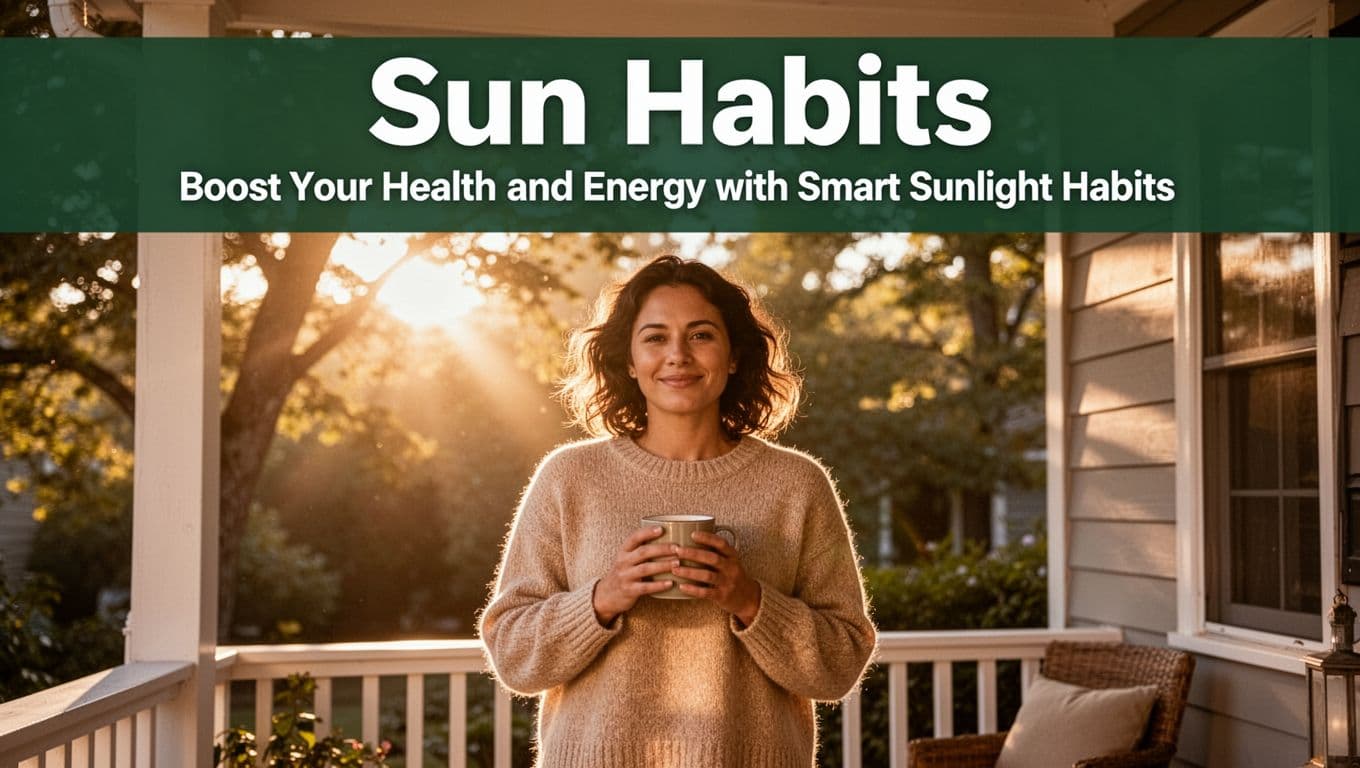
Step outside for 30 minutes each morning. Drink coffee on the porch, or walk the dog. Sit by windows during work breaks; pull back curtains wide.
At night, dim indoor lights early. This lets melatonin flow, so you rest easy. Track your mood after a week. You will notice steady energy because habits stack up quick.
Smart Homes Lead the Way in 2026
Homes now use auto-blinds for circadian perks. They open at dawn for gentle wake-ups and close before bed. Sensors tweak them by weather, saving energy too.
Prices drop, so more folks add them to bedrooms. However, real sun beats gadgets every time. Check morning sunlight benefits for rhythm and vitamin D for proof.
Backup Plans for Cloudy Days
Winters bring short days, yet full-spectrum lamps help a bit. They mimic sun rays without the burn. Still, chase real light first; open shades on sunny spells.
Pair lamps with routines like porch time. Your body craves the full effect, so prioritize outdoors when possible.
Snap Better Photos and Videos Using the Sun’s Free Magic
Sunlight costs nothing, yet it transforms your photos and videos into eye-catchers. You skip expensive gear because the sun provides soft glows and rich colors. Best of all, simple tricks let you control it like a pro. So grab your phone or camera, and let’s capture that magic.
Golden Hour Secrets for Stunning Shots
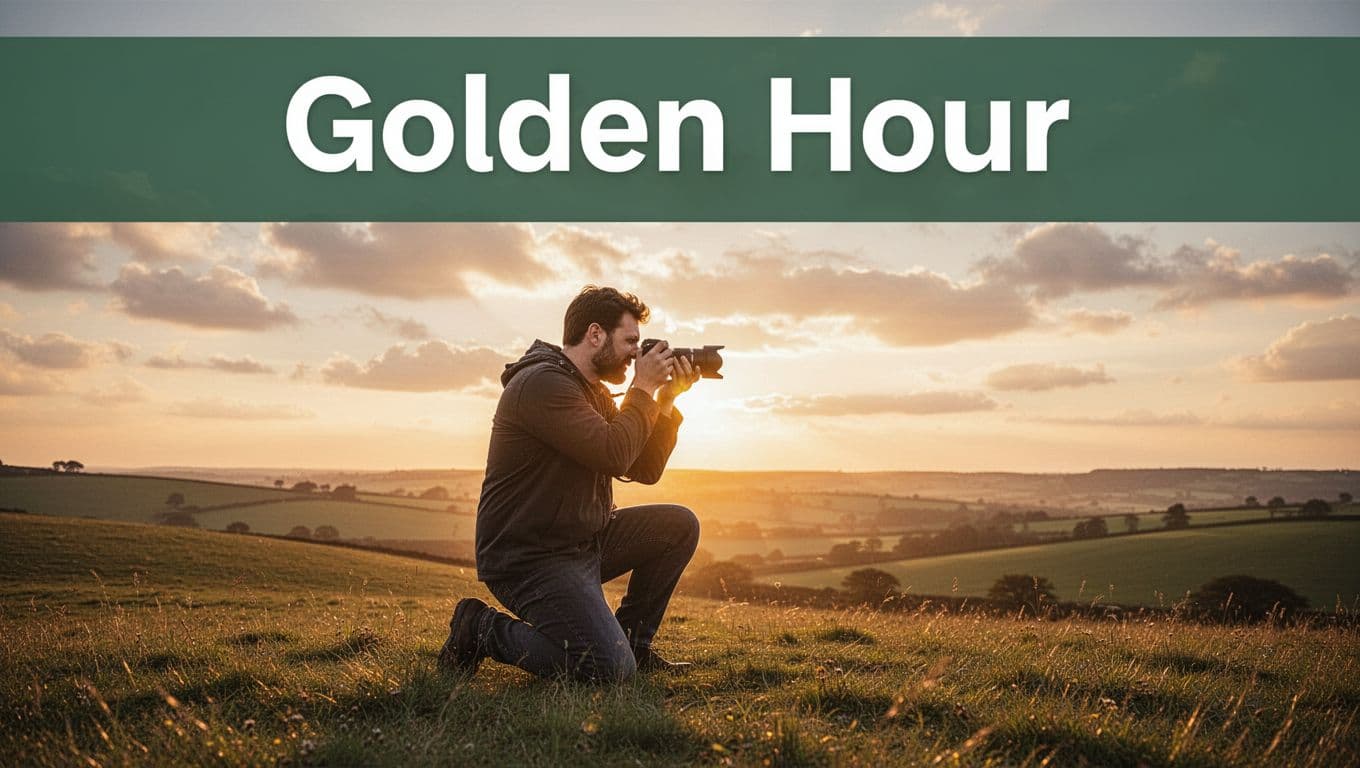
Golden hour hits right after sunrise or before sunset. The sun sits low, so light spreads soft and warm across your scene. Harsh midday shadows vanish; instead, you get even glow on faces and landscapes.
This timing works wonders for photography. Portraits gain creamy skin tones without dark patches under eyes. For videos, it adds cinematic flair; think slow pans over hills bathed in orange hues. However, plan ahead to nail it.
Apps make it easy. PhotoPills shows sun paths on maps, so you predict exact light angles. The Photographer’s Ephemeris adds 3D views for precise planning. For quick checks, try GoldenHour.One; it alerts you to prime times. Check must-have apps for golden hour scheduling to pick yours.
Shoot a family picnic at dawn; kids’ smiles light up naturally. In videography, film a beach walk during evening glow for dreamy footage. Avoid noon sun; it flattens everything. As a result, your shots stand out on social feeds.
Easy Tools to Shape Light Like a Pro
You don’t need a studio to tame sunlight. Household items bounce or soften it perfectly. Start with these hacks for pro results indoors or out.
Reflectors fill shadows fast. Grab white foam board or aluminum foil on cardboard; hold it opposite the window to lift dark areas. Sheer fabrics like curtains diffuse harsh rays; drape them over frames for even spill. Mirrors kick light into corners too.
Indoors, north-facing windows deliver steady, cool light all day. Position subjects nearby for consistent tones in portraits. For videos, pair with a sheet diffuser; it smooths movement without flicker.
Here’s how to build basics:
- Reflector: Tape foil to a poster board. Bounce sun onto faces for sparkle.
- Diffuser: Stretch white tulle or parchment paper. Soften window light like silk.
- Steady hack: Blackout other windows; focus one beam for drama.
See DIY reflectors from household items for step-by-step builds. In 2026, sun-sync apps track paths, while hybrid LEDs mimic shifts indoors. Yet real sun wins; test these now for sharper videos and vivid stills. Your next shoot glows.
Transform Your Home into a Light-Filled Haven
Your home can feel like a sunny retreat with smart changes. Pick the right furniture and tweaks, and sunlight bounces everywhere. Rooms grow brighter and cozier as a result. You save on lamps too. Let’s look at simple swaps that make a big difference.
Furniture and Color Choices That Amplify Glow
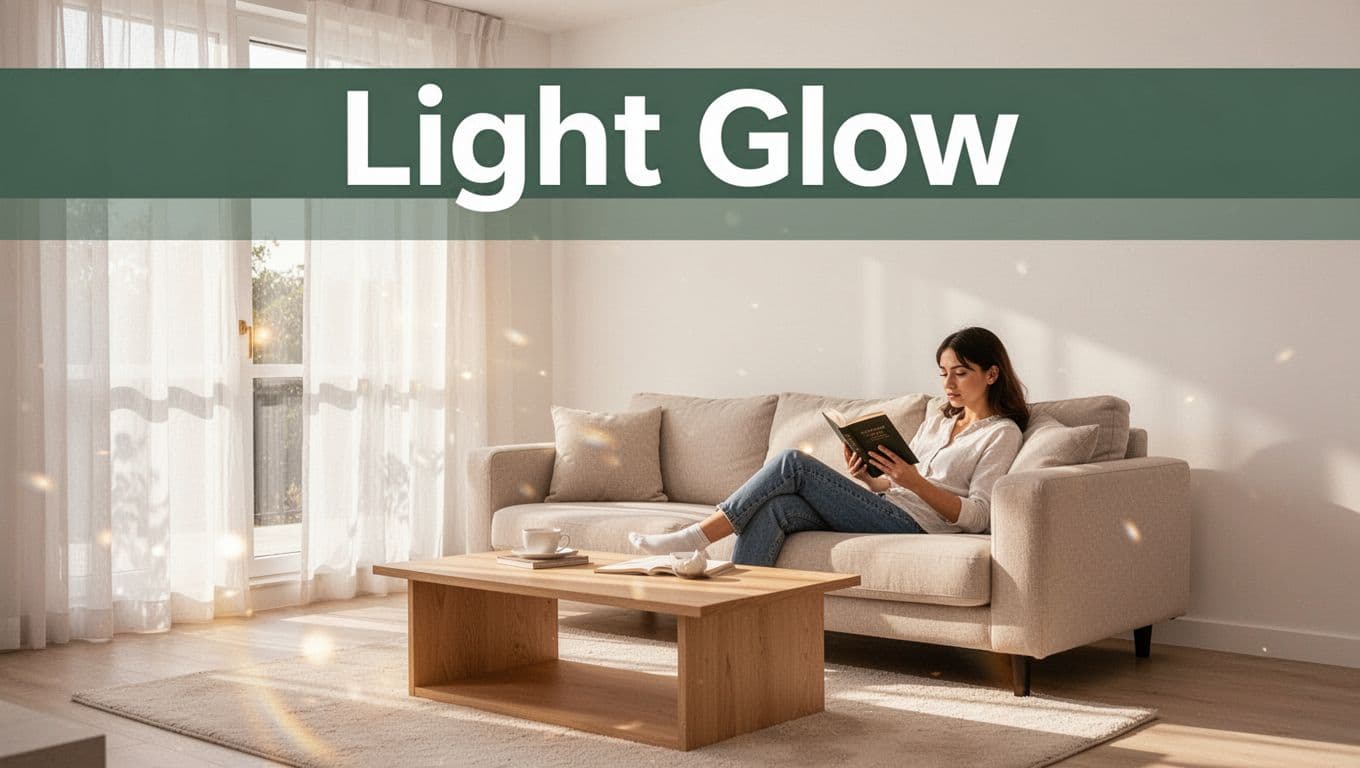
Pale tones reflect light best, so dark pieces soak it up instead. Go for light-colored furniture and walls; they bounce rays around like mirrors. Sheer curtains let sun filter in without blocking it.
Start with walls in soft whites, beiges, or light grays. These shades have high light reflective value, so rooms stay airy. For example, one homeowner painted a dim kitchen in powder blue. Sun now fills corners, and the space feels twice as big.
Furniture follows suit. Choose slipcovered sofas in cream linen or light oak tables. Avoid heavy woods or black upholstery; they trap light. In a living room makeover, swap a brown leather couch for a pale beige one. Add white shelves, and glow spreads evenly.
Here’s what works well:
- Sofas and chairs: Linen or cotton in off-whites; they scatter light softly.
- Tables: Light woods like birch; pair with glass tops for extra bounce.
- Rugs: Pale jutes over dark ones; floors reflect up to the ceiling.
Biophilic trends favor earth tones like sage that shift with sun. Check 9 paint colors that maximize natural light for top picks. Your space feels happier and larger right away.
Window and Wall Tricks for Deeper Light Reach
Push sunlight farther with clever installs. Skylights pour light from above into tight spots like hallways. Mirrors on walls catch and redirect beams deep inside.
Place a large mirror opposite windows; it doubles the view and glow. Light shelves over frames block direct glare but scatter rays downward. In one bathroom redo, add a shelf and mirror. The once-dark tub area now sparkles.
Smart glass tints on demand in 2026 homes. It stays clear for views yet darkens against heat. Huge floor-to-ceiling windows fit biophilic style too; they blend indoors with outdoors.
Try these steps for quick wins:
- Install tubular skylights; they pipe sun to interiors cheaply.
- Angle mirrors at 45 degrees toward dim corners.
- Add light shelves from wood strips; diffuse without shadow.
Prices drop, so updates fit budgets. See skylight innovations for 2026 homes for fresh ideas. Rooms expand visually, and you enjoy calm spaces all day.

Conclusion
Natural light means sunlight and daylight in its full, shifting spectrum. It beats artificial bulbs with real colors, health boosts, and mood lifts. Your body thrives on it, so embrace those changes.
You now know how to use it for sharper focus, golden hour shots, and brighter homes. Step outside each morning for energy. Rearrange a room with pale tones, or grab your phone at sunset.
Try one tip today. That simple glow waits to transform your days. How will you let more natural light in?