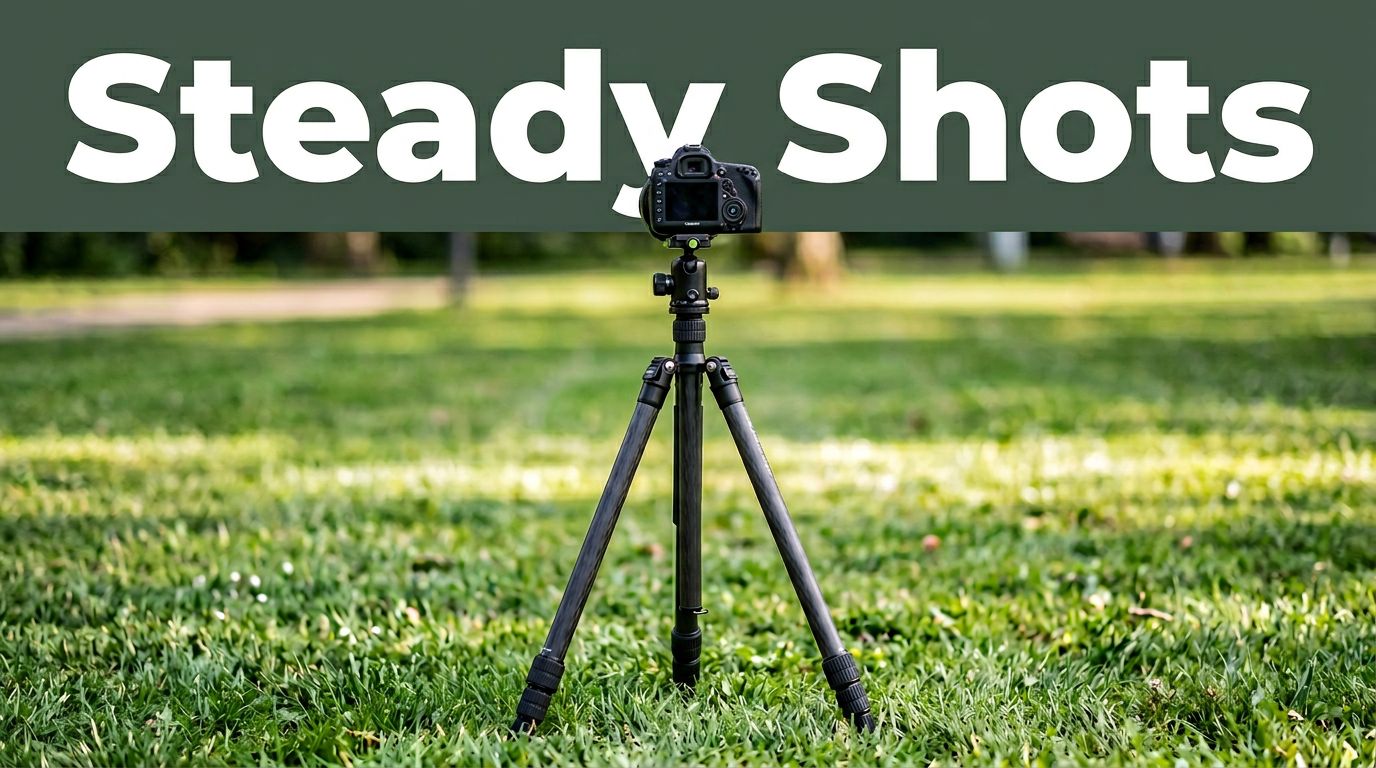
You line up the perfect family video at the park. A slight tremble ruins the focus. That frustrating blur hits again.
A tripod solves this. It acts as a three-legged stand that keeps your camera rock-steady for photos and videos. No more shaky hands or wobbly results.
In 2026, tripods shine brighter. Carbon fiber models weigh less than ever. Smart features like app controls and vibration sensors make them must-haves for creators. You get sharper images without high ISO noise or fatigue.
This post covers the basics. We break down parts and types. Then we hit top times to use one, moments to skip it, picks for your gear, and pro tips. You’ll know exactly when a tripod boosts your work.
Ready to nail crisp shots every time?
Breaking Down a Tripod: Essential Parts and Types That Matter
Tripods start simple but pack smart design. They evolved from 1800s surveying tools to today’s lightweight pros. Metal legs replaced wood for strength. Now carbon fiber rules.
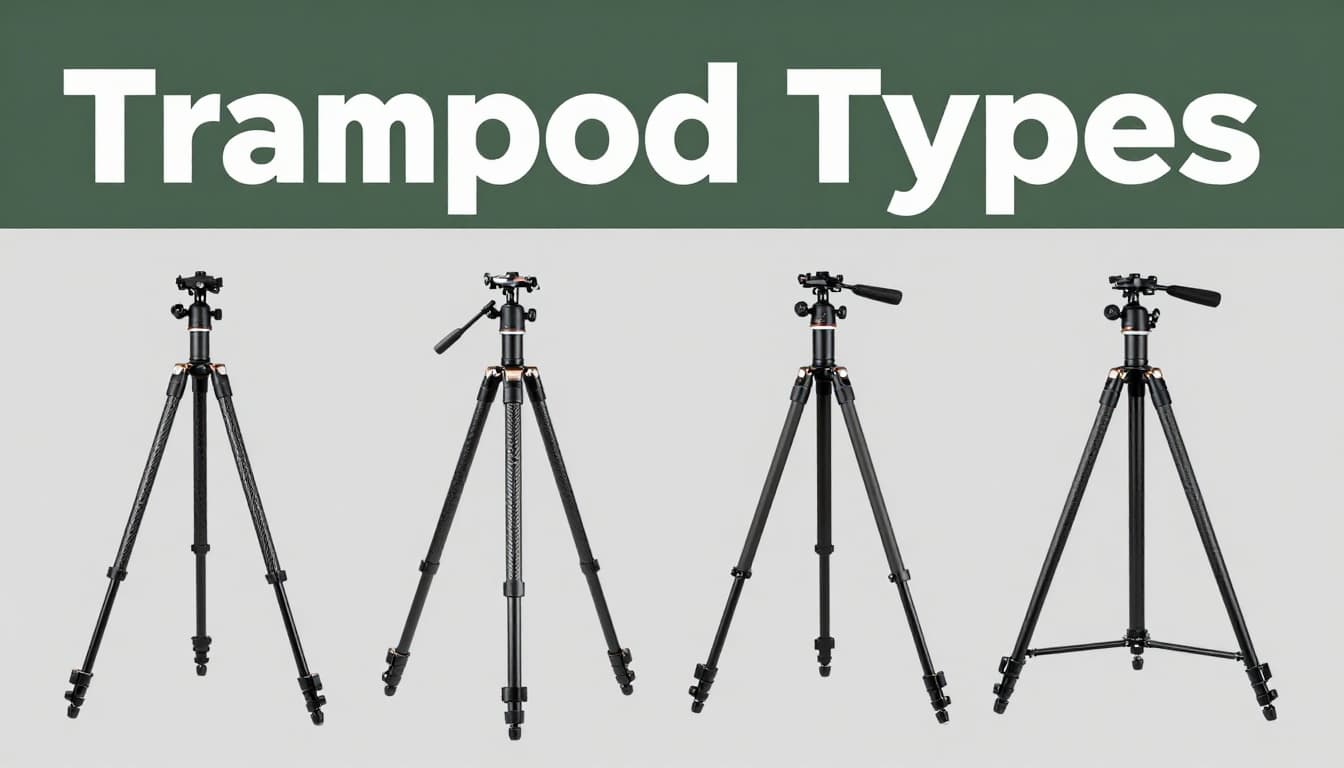
Key parts work together for balance. The head swivels your camera. The center column raises height. Legs spread for grip.
Key Components Every Tripod Shares
Heads come first. A ball head lets you pivot fast for photos. You loosen one knob. It tilts any way.
Fluid heads suit video. They drag smooth for pans. No jerky moves.
The center column adjusts up or down. Some reverse for macro shots close to ground.
Legs use aluminum or carbon fiber. Aluminum costs less and holds steady. Carbon weighs half as much but fights flex.
Feet grip surfaces. Rubber works on floors. Spikes bite dirt or ice.
Always check load capacity. It should exceed your camera plus lens by 1.5 times. That prevents tip-overs.

For a complete breakdown of tripod parts, check this guide.
Tripod Types to Match Your Shooting Style
Beginners grab entry-level aluminum under $50. They fold compact for casual use.
Travel types use carbon fiber. They pack tiny, under 20 inches folded.
Pro studio models stand tall and heavy-duty. They handle big rigs without wobble.
Monopods offer speed. One leg suits crowds or hikes.
In 2026, hybrids convert legs to monopods. Quick levers lock in seconds.
Prime Times to Reach for Your Tripod and Why It Delivers Better Results
Tripods shine in tough light. They lock framing so you compose precise. Hands stay free for tweaks.
Use one when shutter drops below 1/30 second. Blur creeps in otherwise. Even in-body stabilization has limits.
Benefits stack up. You cut fatigue on long shoots. Creative options open, like slow pans.
Tackling Low Light and Long Exposure Challenges
Low light demands tripods most. Night skies or city glow need seconds-long exposures.
Astrophotography captures stars crisp. Waterfalls silk smooth without high ISO grain.
Landscapes at dusk stay sharp. Handheld fails here. A tripod fights wind shake too.
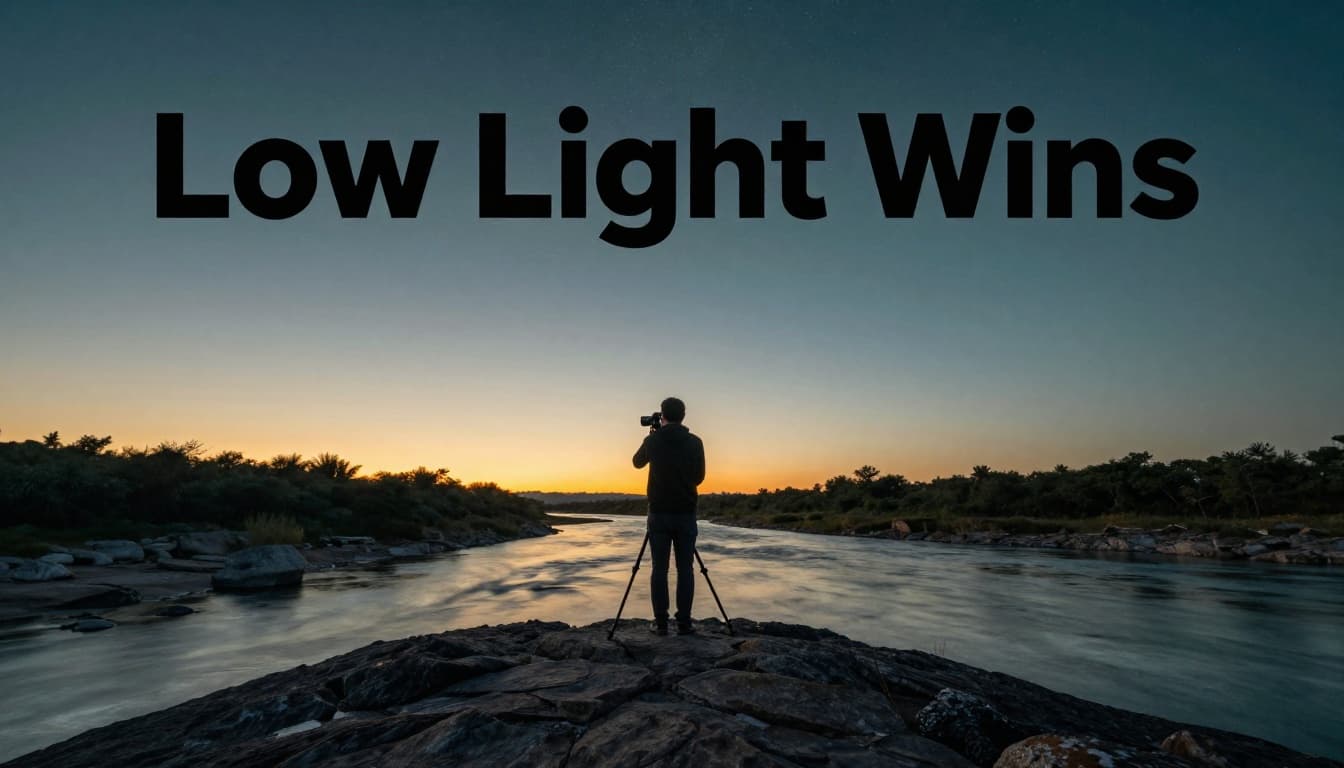
See how tripods excel in long exposure setups.
Elevating Your Video Game with Steady Footage
Video loves fluid heads. Pans glide buttery. Locked shots stay level for interviews.
Self-filming vlogs look pro. Zooms hold steady. Gimbals tire you out; tripods don’t.
Bonus Scenarios Where Stability Rules
Macros need tiny moves precise. Architecture demands straight lines.
Portraits benefit from even lighting. Motorsports stack focus sharp.
Smart Moves: When to Leave the Tripod Behind
Skip it for action. Street snaps or wildlife move too fast. Handheld wins at 1/60 second or quicker.
Tight spots like hikes cramp legs. Grab a mini GorillaPod instead.
Stabilization in cameras helps here. You gain speed and portability. However, pros still pack one for backups.
How to Pick the Ideal Tripod for Your Gear and Adventures in 2026
Match your needs first. Weigh your heaviest setup. Aim for tripod under 3 pounds if you travel.
Height matters. Eye-level max around 5-6 feet. Folded length beats 20 inches for bags.
Carbon fiber trends light and strong. Smart apps control levels now. Vibration sensors auto-fix shakes.

| Category | Price Range | Weight | Best For | Top Pick |
|---|---|---|---|---|
| Budget | $50-150 | 3-4 lbs | Beginners | Neewer LT38, K&F X284C4 |
| Travel | $150-300 | Under 3 lbs | Hikes | Peak Design Travel, Vanguard VEO 5 |
| Pro | $300+ | 3-5 lbs | Studio/Video | Gitzo Mountaineer, Manfrotto 190 |
This table sums key ranges. Test stability with your gear.
Brands lead in 2026. Vanguard Alta Pro suits all-around. Peak Design packs smallest.
For full reviews, see top tripods for 2026.
Balancing Weight, Height, and Load for Real-World Use
Light rigs pair with sub-3-pound models. Tall users pick 6-foot max height.
Load beats your setup 1.5 times. That covers wind gusts.
Head Types and Materials That Fit Your Needs
Ball heads speed photos. Fluid ones drag for video.
Aluminum budgets well. Carbon stays premium light.
Standout Brands and Models Worth Your Money
Peak Design Travel folds tiny at $500. Gitzo GT2532 takes pro abuse.
Vanguard VEO 5 spikes grip terrain for $350. SmallRig CT210 videos smooth cheap.
Master Tripod Use: Avoid Pitfalls and Unlock Pro Tips
Cheap ones wobble. Skip sub-$30 traps.
Uneven legs slip on slopes. Use bubble levels or apps.
Practice fast setup. Pair with hyperfocal apps for depth.
GorillaPods bend anywhere. Borrow before buying.
In 2026, Bluetooth apps remote-control pans. Test vibration sensors outdoors.
Tripods sharpen key shots like low light and video. Carbon fiber and smart tech make them lighter, smarter.
Assess your gear and shoots. Invest right for your style.
Share your worst blur story in comments. Grab a recommended model. Subscribe for more gear tips.
Steady shots await!