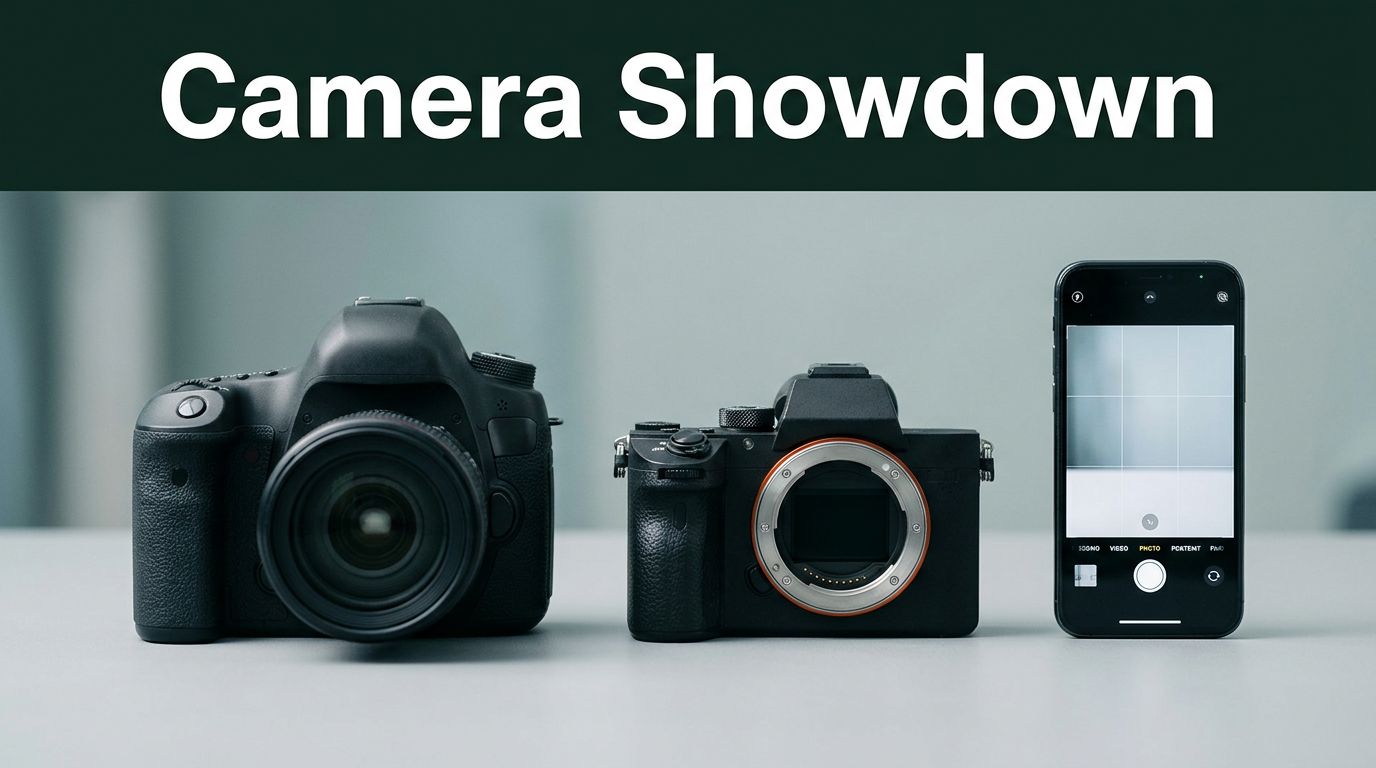
Everyone snaps photos these days. You pull out your phone for quick shots at family dinners or vacations. But when you see pros with bulky DSLRs or sleek mirrorless setups, confusion hits. Which camera type delivers better results? Why spend extra cash on gear if your smartphone seems fine?
Knowing the differences helps you take sharper pictures without buyer’s remorse. DSLRs offer reliable power from the past. Mirrorless brings modern speed and silence. Smartphones pack convenience with AI smarts. This post breaks down how they work, their sizes, image quality, battery life, autofocus, video skills, pros and cons, plus 2026 trends. You’ll see why mirrorless dominates new sales while phones handle daily snaps.
Ready to match the right camera to your style?
How DSLR, Mirrorless, and Smartphone Cameras Work Differently
DSLRs, mirrorless, and smartphones capture light in unique ways. Each design affects your viewfinder, noise levels, and shot speed. Understanding these basics clears up why one feels right for you.

Think of a DSLR like a classic car with a flip-up hood for peeking inside. Light bounces off a mirror to your eye through an optical viewfinder. Only when you press the shutter does the mirror flip up. Then light hits the sensor. This setup gives a true, lag-free preview. However, it adds bulk and a loud slap sound.
DSLR: The Mirror Magic Behind the View
The mirror in DSLRs directs light to the viewfinder. You see exactly what the lens sees, bright and clear. Pros love this for accurate composition in any light. But the mechanism makes the body thicker. It also creates blackout moments during shots. In 2026, DSLRs fade as makers shift focus, yet they remain solid for landscapes.
Mirrorless: Direct Path to the Sensor
Mirrorless skips the mirror entirely. Light goes straight to the sensor. An electronic viewfinder or screen shows a live digital feed. This means real-time exposure previews and no mechanical noise. Smaller bodies result because there’s no mirror box. Video shooters thrive here since it stays silent.
Smartphone: Tiny Sensors Powered by Smart AI
Phones use minuscule sensors, often 1/2.5-inch or smaller. Physics limits light capture, so AI steps in. Features like Night Mode stack multiple shots for brighter results. Computational tricks add fake bokeh or sharpen details. It’s quick, but can’t match dedicated hardware in tough conditions. For more on core tech contrasts, check DSLR vs mirrorless comparisons.
Size, Battery Life, and Portability: Which One Fits Your Life
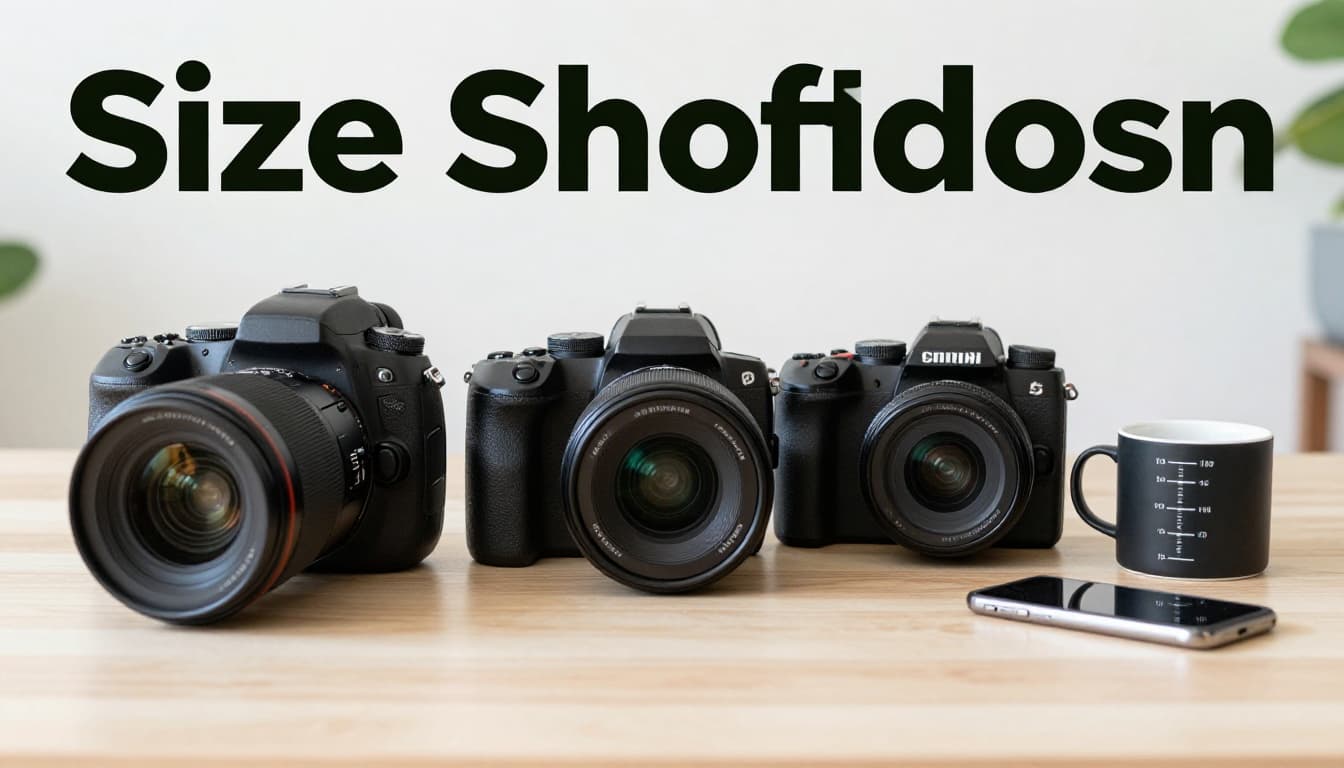
Your lifestyle dictates camera choice. A heavy DSLR shines on pro gigs but drags on hikes. Mirrorless offers balance. Phones slip into pockets. Battery matters too; long days need endurance.
Here’s a quick comparison table:
| Feature | DSLR | Mirrorless | Smartphone |
|---|---|---|---|
| Size/Weight | 2-3 lbs with lens | 1-2 lbs | <0.5 lbs |
| Battery Shots | 1,000-2,000 | 300-500 | 100-300 (photos) |
| Portability | Bag required | Everyday carry | Pocket-ready |
DSLRs last full days on one charge. Mirrorless drains faster from constant screen use. Phones excel at convenience but fade on video marathons.
Why DSLR Feels Like Pro Gear But Weighs You Down
DSLRs boast rugged builds and epic battery life. You shoot weddings without swaps. However, their size demands dedicated bags. Shutter noise disturbs quiet scenes.
Mirrorless Wins for On-the-Go Shooters
These cameras pack pro power in smaller frames. Trends show them replacing DSLRs fast. Battery packs extend hikes, but plan ahead. Travel photographers swear by the freedom.
Image Quality, Autofocus, and Video: The Real Picture Power Showdown
Bigger sensors win on quality. DSLRs and mirrorless grab 18 times more light than phones. This crushes noise in dim rooms. Natural bokeh blurs backgrounds smoothly. Phones rely on software for similar effects, which often looks fake.
Autofocus speeds vary. Mirrorless uses AI for eye-tracking on pets or athletes. DSLRs rely on phase-detect, strong but slower in live view. Phones handle stills well, struggle with motion.
Video favors mirrorless with 8K and in-body stabilization. Phones clip quick social reels easily.

Capturing Sharp Details and Colors in Any Light
Full-frame sensors in DSLRs and mirrorless shine at dusk. You edit RAW files with huge dynamic range. Phones boost colors via AI, yet lose fine textures up close.
Tracking Fast Action with Speedy Autofocus
Mirrorless leads here. It locks kids running or birds in flight. DSLRs keep up in bursts. Phones lag on erratic moves.
Smooth Video for Creators on the Move
Mirrorless delivers pro 10-bit color and gimbals-like stability. Phones suit Instagram stories. For deeper dives, see mirrorless vs DSLR performance.
Pros, Cons, and Picking the Right Camera for Your Needs
Each type shines in spots. Match yours to habits.
DSLR Pros: Cheap used lenses, endless battery, optical viewfinder accuracy. Cons: Bulky, loud, outdated tech.
Mirrorless Pros: Compact, silent, future-proof autofocus and video. Cons: Costly bodies, shorter battery.
Smartphone Pros: Always ready, instant edits and shares, zero learning curve. Cons: Weak low light, no zoom quality, battery hog.
Casual snappers stick with phones. Enthusiasts grab mirrorless for growth. Pros needing all-day power pick DSLRs. No regrets when needs align. Phones beat dedicated cams for everyday, per smartphone vs camera guides.
Top Models and Trends Shaping Photography in 2026
Mirrorless rules 2026. Nikon Z9 tops for speed at $5500. Sony a1 II nails action with 8K. Canon EOS R6 Mark III offers value.
DSLRs linger niche. Canon 5D Mark IV delivers pro shots cheap used. Nikon D850 holds for landscapes.
Phones like iPhone 18 push AI low-light. Yet big sensors dominate pros.

Trends favor mirrorless with AI focus. DSLRs drop per CIPA data. Check best mirrorless picks or DSLR trends.
Ready to Choose Your Perfect Camera?
DSLRs provide mirror-driven reliability. Mirrorless streamlines with direct sensors and speed. Smartphones leverage AI in tiny packages. Mirrorless rises as the star for most, phones own casual shots, DSLRs fill battery niches.
Pick based on your shoots. Test in stores. Share your setup or upgrade plans in comments. Subscribe for gear tips. Snap better photos today. What’s your go-to camera?