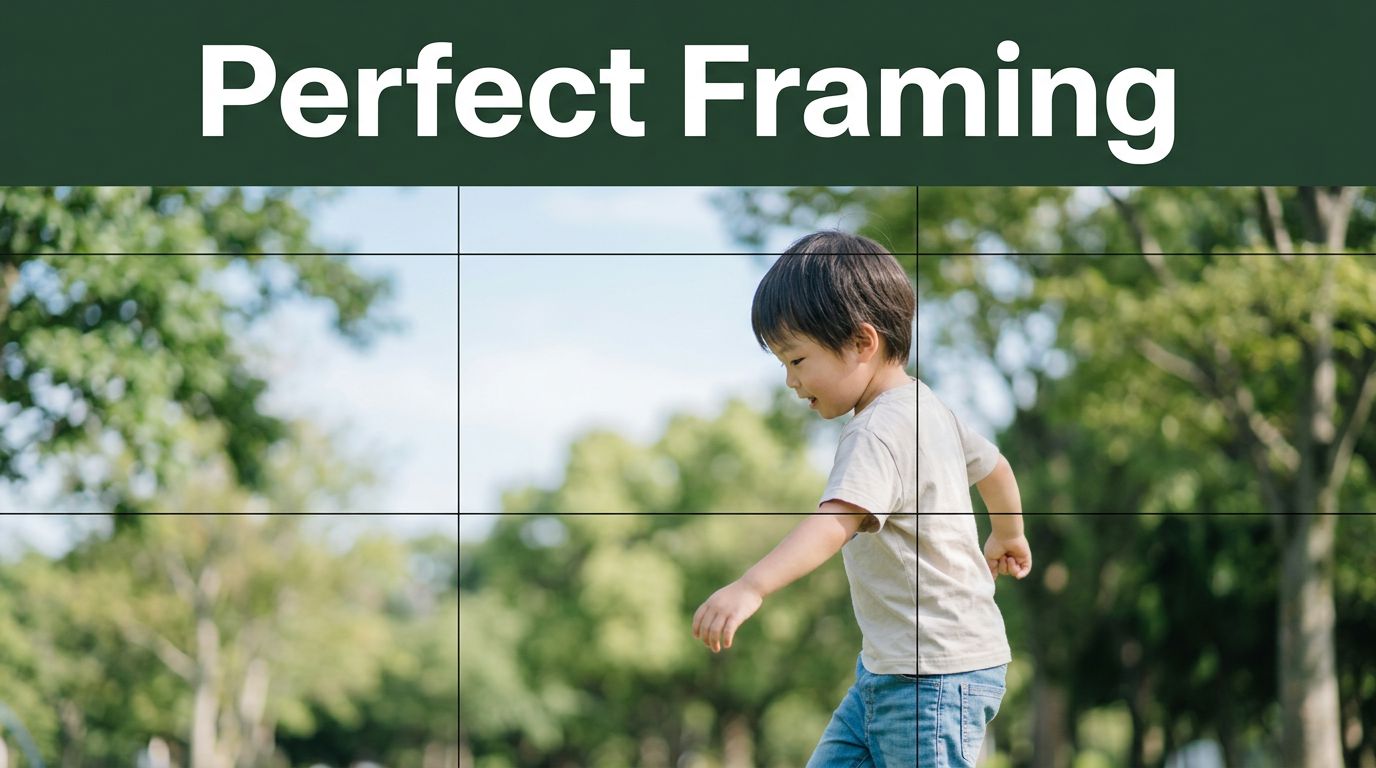
You snap a photo of your kid at the park. It’s blurry, centered, and flat. Then you shift the position a bit. Suddenly, the shot pops with energy and depth. That shift? It’s proper photo framing.
Framing means arranging elements in your viewfinder. You decide what goes where to guide the eye and create balance. Beginners often skip this step. As a result, their photos feel dull. Good framing fixes that. It turns phone snaps into pro-level images. No need for expensive gear.
This post shows you how to frame a photo properly as a beginner. You’ll learn basics like balance and space. Next come techniques such as the rule of thirds and leading lines. We’ll cover mistakes to dodge too. Finally, grab free tools and habits. By the end, you’ll frame better photos right away. Your everyday shots will stand out.
Understand Photo Framing Basics to Boost Your Shots Instantly
Framing decides what fills your photo frame. It guides the viewer’s eye. Good framing creates impact. Beginners benefit most. It changes ordinary scenes into eye-catchers. Any camera works, even your phone.
Slow down before you snap. Think about composition. Core ideas include balance, space, and focus. Balance keeps the shot steady. Space adds breathing room. Focus highlights the subject.
Consider a centered portrait. The face sits smack in the middle. It feels static. Now move it off-center. Add space on one side. The image gains energy. That’s framing at work.
Photo framing for beginners starts simple. Check your frame before shooting. Ask: Does it feel even? Is the subject lost? Small tweaks make big differences.
Spot the Power of Balance and Space in Your Frame
Balance avoids lopsided shots. Your subject shouldn’t hug one edge. That squeezes the scene. Instead, spread elements evenly.
Space gives a natural feel. Leave room around the subject. Overcrowding chokes the photo. For example, place a person against a wall. No sky behind. It traps them. Step back. Add open sky. Now they breathe.
Check in real time. Use your camera’s grid if available. Step left or right. Tilt up or down. Does it look right? Yes? Shoot.
These basics build strong shots. Practice them daily. Your photos improve fast.
Proven Framing Techniques That Work Every Time for Newbies
Techniques make framing easy. Pros use them. Beginners can too. Start with your phone camera. Practice in nature, portraits, or streets. Each method has steps. Follow along.
Real-world examples help. A tree in the woods. A friend smiling. City sidewalks. Apply these rules. Watch your shots transform.
For more on beginner composition, check ShareGrid’s photography basics.
Nail the Rule of Thirds for Dynamic Composition
The rule of thirds uses a grid. Draw two horizontal lines. Add two vertical ones. You get nine boxes.
Place your subject on the lines. Or at intersections. Skip dead center. It adds balance and interest.
Enable the grid on your phone. Go to camera settings. Turn it on. Same for DSLRs.
Before: Dog centered in grass. Dull. After: Eyes on top-right intersection. Space below. Alive.
This works every time. For deeper tips, see Icon Photography School’s rule of thirds explanation.
Practice ten shots today. Notice the difference.
Draw Eyes In with Leading Lines
Leading lines pull the eye to your subject. Roads, fences, paths do this. Spot them everywhere.
Sidewalks guide to a vendor. Rails point to a train. Branches frame a bird.
Position low for ground lines. Go high for overhead paths. A river leads to a boat. Tension builds.
In streets, rails draw to a mountain. Everyday scenes shine. Learn more from 500px’s leading lines guide.
Hunt lines on walks. Your compositions strengthen.
Add Depth Using Natural Frames Around Your Subject
Natural frames add layers. Doorways, windows, arches, trees work best.
Shoot a face through branches. Depth pulls you in. Street shots through crowds build story.
Check edges. No distractions poke in. Branches shouldn’t chop heads.
Portraits gain mystery. Landscapes feel immersive. Experiment outside.
Fill the Frame Smartly and Watch the Edges
Get close to fill the frame. Impact grows. Faces command attention.
But avoid cut-off limbs. Scan edges. Trees or poles ruin shots.
Balance fill with space. Too much empty? Step in. Too crowded? Back up.
Portraits: Eyes fill half. Landscapes: Foreground fills bottom.
These techniques stack. Mix rule of thirds with lines. Pros do it. You can too.
Skip These Common Framing Goofs That Ruin Beginner Photos
Beginners repeat the same errors. We’ve all done it. Fix them quick. Think before shooting.
Top pitfalls include crooked horizons and busy backgrounds. Lazy centering tips balance. Spot them. Adjust.
For Tamron’s take on composition rules, visit their beginner’s photo composition guide.
Straighten Crooked Horizons and Busy Backgrounds
Horizons tilt easy. Use grid or eye. Level the camera.
Busy backgrounds distract. Trees poke heads. Move the subject. Or change angle.
Fix mindset first. Editing helps later. Prevention beats cure.
Balance Your Shot and Ditch Lazy Centering
Shots tip sideways. Use thirds for even weight.
Center feels safe. But it drains energy. Off-center adds pop.
Experiment. Half your shots off-center. See what works.
Dodge these goofs. Your album upgrades.
Grab These Free Tools and Habits for Flawless Beginner Framing
Tools help beginners. Phones have grids and levels. Turn them on.
Histograms check exposure. Chimp: Review shots right after.
Habits matter more. Pause. Scan the frame. Ask: Balanced? Space good?
Practice daily. Ten minutes. Shoot the same scene three ways.
In 2026, apps like Lightroom Mobile offer AI hints. But build manual skills first.
Try one tip now. Grab your phone. Frame your coffee mug with thirds.
Ready to Frame Better Photos Today?
Basics like balance and space set the foundation. Techniques such as rule of thirds and leading lines add punch. Skip goofs on horizons and centering. Use grids and pauses as habits.
How to frame a photo properly as a beginner boils down to thought. Small changes yield big results. No pro gear needed.
Pick up your camera. Apply rule of thirds on your next walk. Share results in comments. What improved most?
See the world differently. Every frame tells a story. Yours just got stronger.