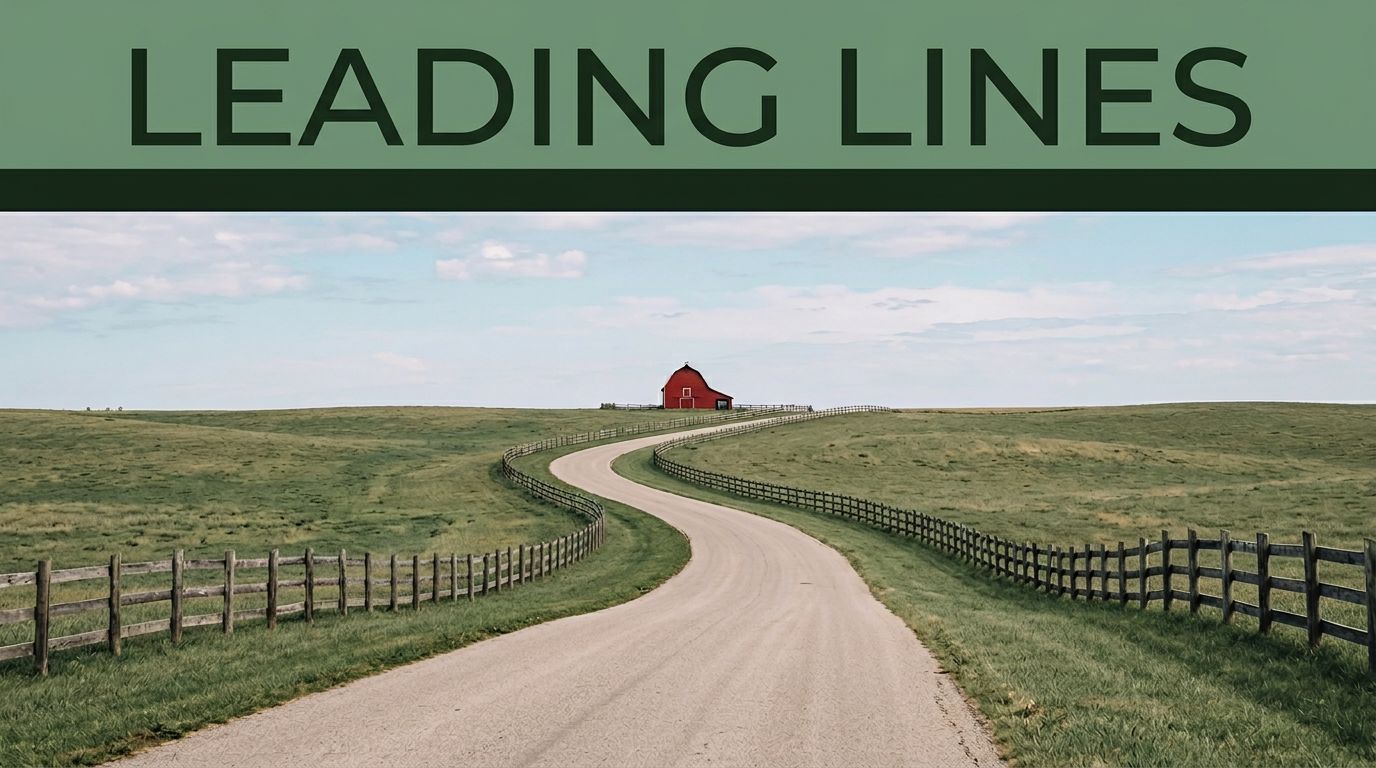
Picture this. You snap a shot of a winding road that pulls your gaze right to a distant barn. The photo grabs attention instantly. Your eye follows that natural path without effort.
Leading lines do exactly that. They act as visual guides in photos. These lines draw viewers toward the main subject. You control where eyes go. Photos gain depth and energy as a result.
Many beginners miss them. Shots feel flat or cluttered. Leading lines fix that fast. They add movement and pro polish. In this post, you will learn what they are and the main types. You will see how to spot and use them. Plus, dodge common pitfalls. Grab your camera. Practice these tips today for standout images.
What Exactly Are Leading Lines in Photography?
Leading lines appear as real or implied paths in your frame. Roads stretch toward horizons. Shadows stretch across sidewalks. Rail tracks fade into distance. These elements guide the viewer’s eye to the key subject.
Think of a simple path through grass to a lone tree. Your gaze travels along it naturally. The photo feels alive. Flat scenes turn three-dimensional because lines create depth. They mimic how we see in real life.
Lines come from nature or humans. Rivers snake through valleys. Fences border fields. Even arrows on signs work. They differ from other tools like rule of thirds. Those place subjects. Lines direct attention there first.
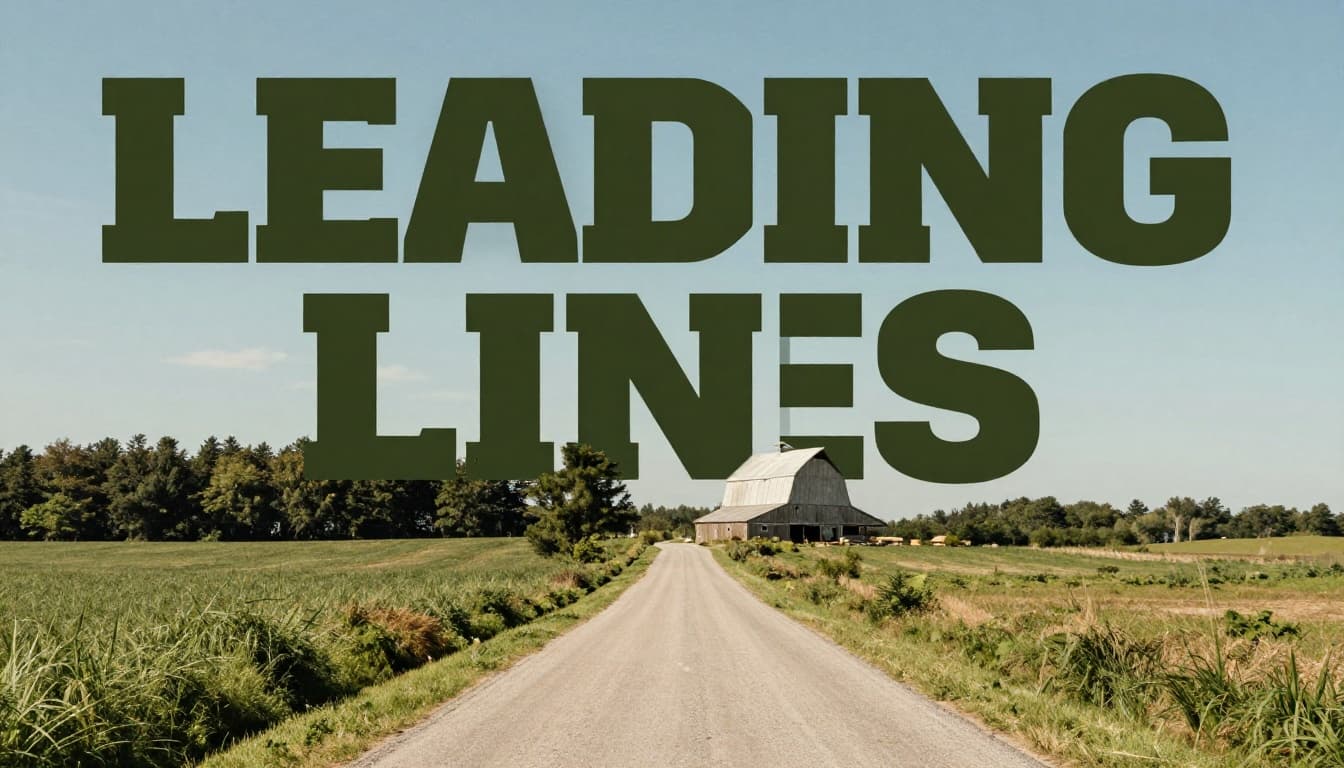
A classic road like this one shows the power. It pulls you forward. Everyday spots hide them everywhere. Streets, beaches, or parks offer plenty. Spot one next time you walk. Your photos improve right away.
Why Leading Lines Make Your Photos Pop and Draw Eyes Right Where You Want
Eyes wander in weak photos. Leading lines stop that. They steer focus to your subject. Viewers connect faster. No confusion.
Depth jumps out too. Lines recede into space. Flat images gain layers. A simple horizon becomes epic. Movement follows. Straight paths suggest speed. Curves invite exploration.
Diagonal lines add energy. They suit action shots. Curves bring grace to portraits. Photos evoke emotion because of this. Pros rely on them for impact. Beginners match that level quickly.
Compare two shots. One lacks lines; it bores. The other uses a fence to frame a horse. Eyes lock on instantly. For deeper dives, see leading lines composition techniques. Results feel intentional. Viewers stay engaged longer.
Spot These Common Types of Leading Lines All Around You
Hunt for lines daily. They shape every mood. Vertical ones rise tall. Horizontals ground scenes. Diagonals energize. Curves flow smooth. Natural sources like branches mix with man-made rails.
Scout urban streets or quiet parks. A road to mountains works great. Each type sets a tone. Match it to your story. Eyes follow because you planned it.
Vertical Lines for Depth and Journey
Vertical lines pull eyes up or down. They create height and invite travel. Pole lines or tree trunks do this well.
Tall buildings tower in cities. Door frames lead inward. The mood feels powerful. Aspirational pulls hit hard. Low angles boost the climb effect.
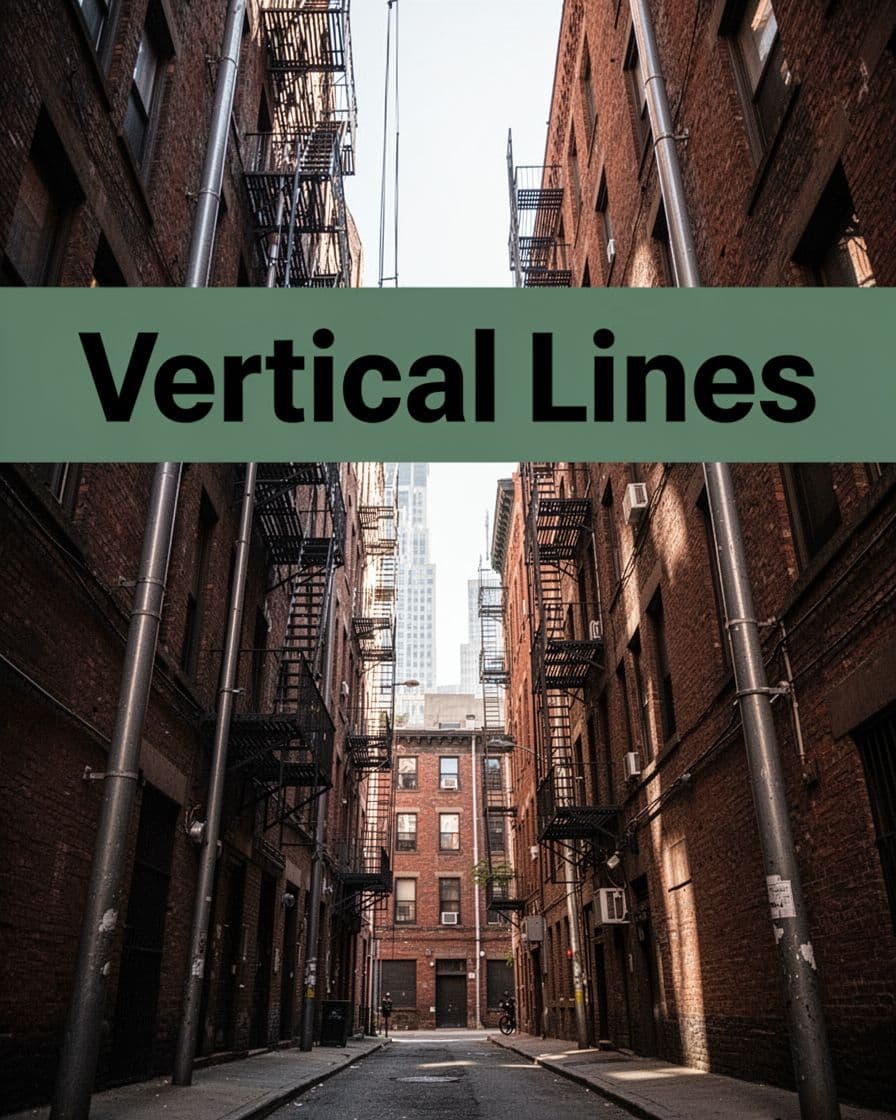
An alley like this draws you skyward. Depth explodes. Use them for portraits against walls.
Horizontal Lines for Calm Stability
Horizontal lines span the frame. They suggest peace and balance. Beaches stretch wide. Fields lie flat.
Horizons divide sky from land. The effect grounds viewers. Relaxed moods emerge. Stability calms chaos. Shoot at eye level for best results.
Diagonal Lines for Dynamic Energy
Diagonals slice across. They spark action and tension. Stairs climb at angles. Roads tilt into views.
Fences lean just right. Energy builds fast. Tension draws eyes quick. Perfect for sports or streets.
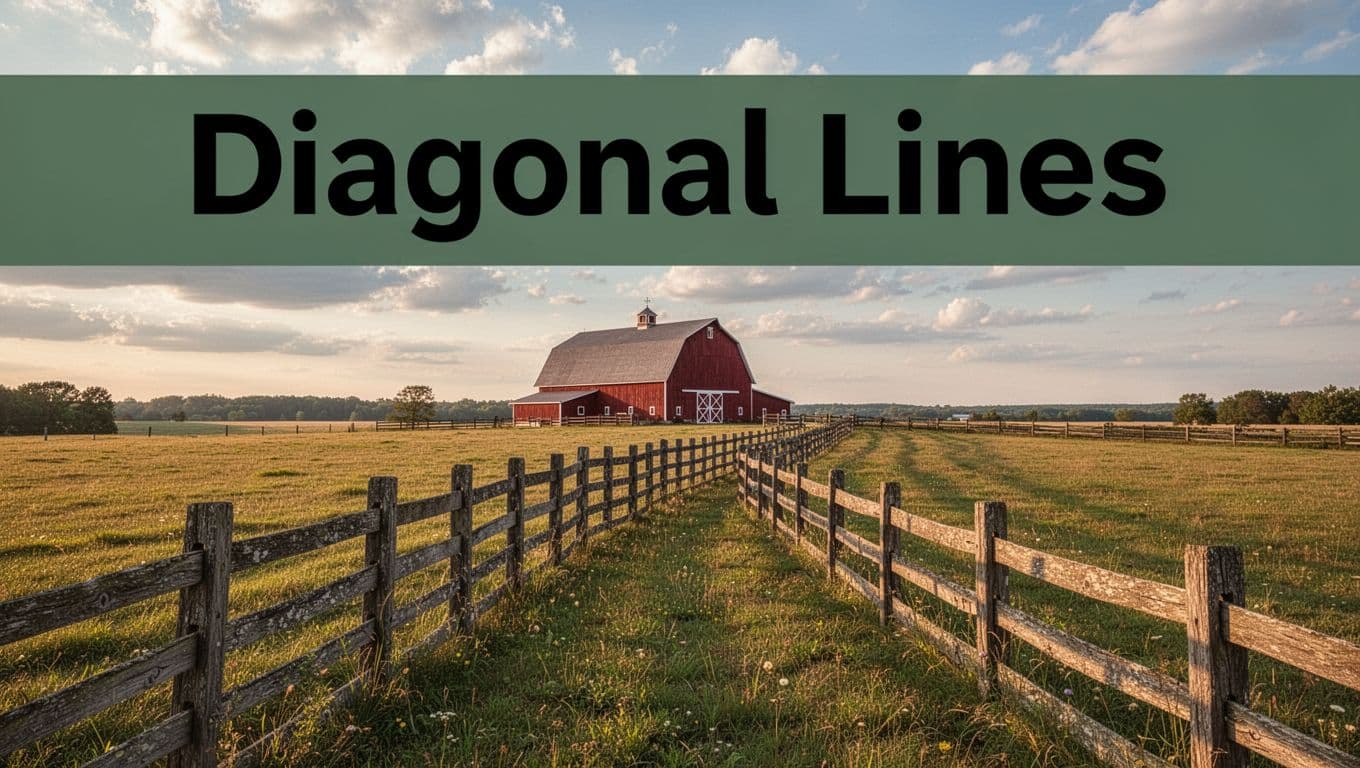
This fence guides to the barn with punch. Golden light amps the vibe.
Curved Lines for Graceful Flow
Curves bend gently. They offer smooth paths. Rivers wind. Paths meander through gardens.
Waves roll in. Elegance shines through. Natural flow feels organic. Avoid sharp turns. Let them lead soft.
For more type examples, check mastering leading lines in composition.
How to Use Leading Lines Like a Pro Photographer
Start with your subject. Find lines that point to it. Position matters most.
- Choose the hero first. A tree or person. Scan for paths nearby.
- Place the subject at the end. Convergence points shine. Vanishing spots work too.
- Keep lines inside the frame. No exits at edges. Crop if needed.
- Match type to mood. Diagonals for energy. Curves for calm.
Walk around. Shift angles until lines align. Combine with rule of thirds. Place intersections on power points.
In 2026, shoot vertical for social reels. Lines fill tall frames. Drones reveal overhead patterns. Apps like Luminar Neo sharpen paths in edits. Portraits gain from arm gestures as lines.
Practice on streets. Results pro-level fast. See how to use leading lines tutorial for visuals.
Avoid These Traps That Kill Your Leading Line Shots
Lines point wrong. They lead away from subjects. Reposition quick. Move yourself or wait for light shifts.
Edges cut lines short. Eyes escape. Crop tight. Choose wider views next time.
Forced poses look stiff. Skip unnatural arms. Hunt real elements instead.
Mood clashes hurt. Straight lines in soft scenes jar. Swap for curves. Test shots help.
One road shot bombed for me. It veered left. Simple angle change fixed it. Fixes stay simple. Wins come easy.
Ready to Guide Eyes in Your Next Shot?
Leading lines define paths to subjects. They add depth, movement, and pro appeal. Types like verticals and curves fit any scene. Use steps wisely. Skip traps for clean results.
Head out today. Shoot with lines in mind. Review old photos too. Spot missed chances. In 2026, blend with drones or vertical formats. AI edits boost them further.
Share your best leading line photo in comments. What type do you love most? Subscribe for more tips. Your eyes deserve better guides.