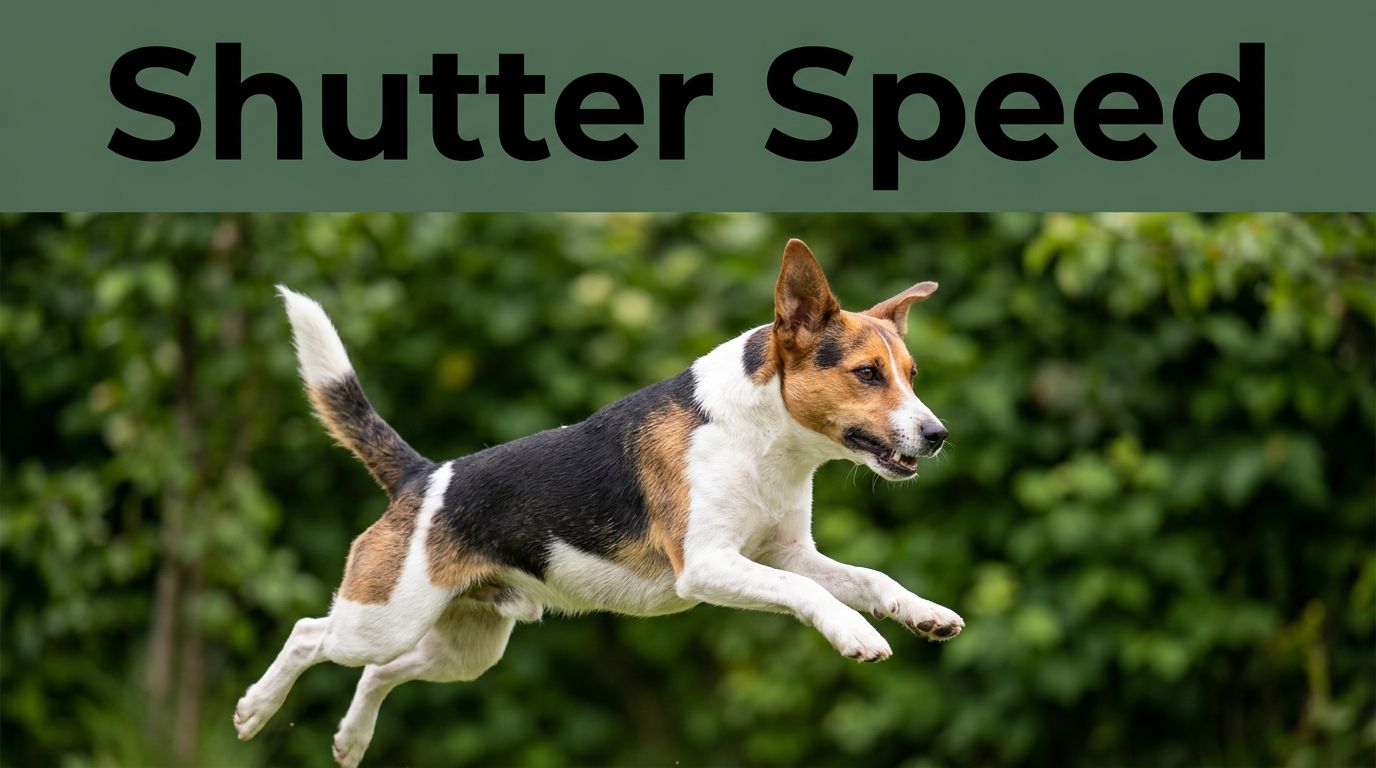
You chase your dog across the yard. Snap a photo mid-leap. But the image shows just a furry blur.
Shutter speed decides if motion freezes sharp or turns silky smooth. It measures how long your camera’s sensor catches light, from 1/1000 second to several seconds. This setting controls blur from movement. It works with aperture and ISO in the exposure triangle.
Master it, and everyday shots pop with clarity or art. You will learn simple rules to pick the right speed every time.
How Shutter Speed Shapes Motion in Every Shot
Shutter speed sets how your photos handle movement. Fast ones, like 1/1000 second, stop birds mid-flap. Slow ones, like 1 second, streak car lights at night.
Think of it as a gate for light. Quick open-and-shut keeps everything crisp. Longer opens let motion smear into trails.
Cameras show speeds as fractions or whole numbers. Most start at auto. Switch to manual or priority mode for control.
Follow the handheld rule too. Use at least 1 over your lens focal length. A 50mm lens needs 1/50 second minimum. Slower risks shake blur.
Here are common speeds by scene. Pick based on your subject.
| Situation | Suggested Shutter Speed | Why It Works |
|---|---|---|
| Portraits | 1/60 second | Steady faces, no shake |
| Walking people | 1/500 second | Freezes steps without blur |
| Flying birds | 1/2000 second | Sharp wings in fast flight |
| Waterfalls | 1/4 to 1 second | Silky flow effect |
| Night lights | 5-30 seconds | Light trails from traffic |
This chart gives quick starts. Adjust for light later.
For deeper basics on camera settings like this, check University of Georgia’s beginner camera guide.
Freeze the Action with Fast Shutter Speeds
Fast speeds shine for quick subjects. Set 1/1000 second or quicker. It halts soccer jumps or wildlife dives.
Picture a player kicking a ball. At 1/500 second, legs sharpen. Joggers need that too. Birds in flight demand 1/2000 second because wings flap so fast.
You gain crisp excitement. No more fuzzy regrets. Start at 1/500 for kids running. Bright sun helps keep images light.
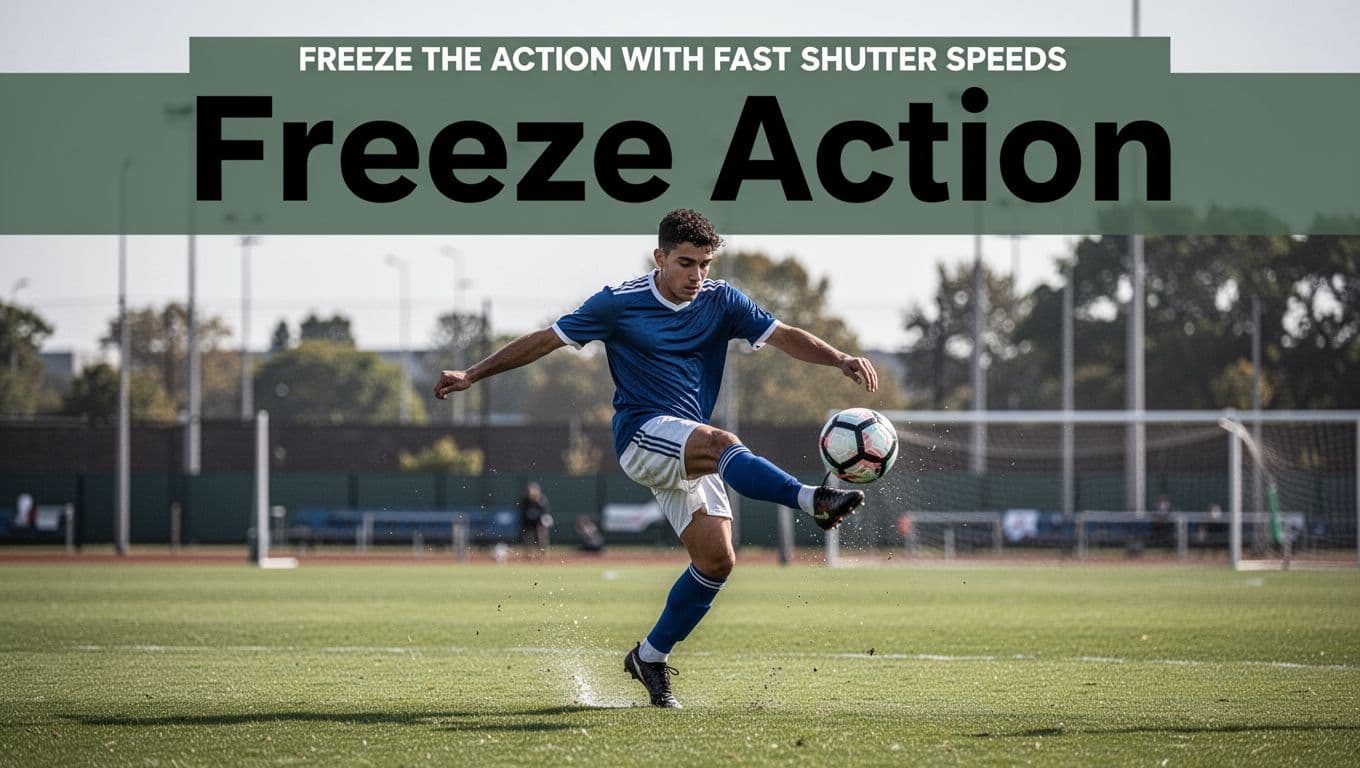
In 2026, high-speed bursts up to 20 frames per second pair well. They lock fast shutters without missing peaks.
Create Artistic Blur with Slow Shutter Speeds
Slow speeds spark creativity. Try 1/4 to 2 seconds for waterfalls. Water turns milky dream.
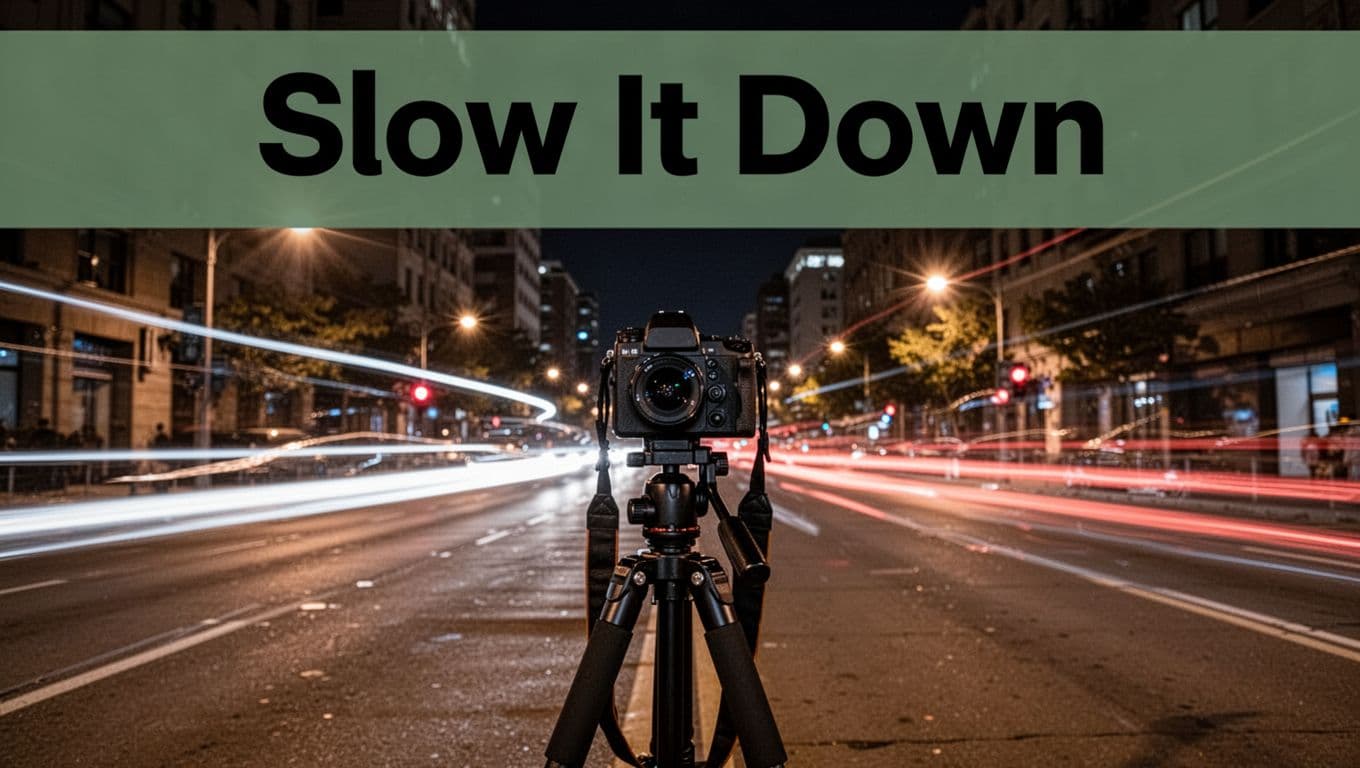
Ocean waves soften the same way. At night, 5-30 seconds trail car lights. Stars streak in long exposures.
Always use a tripod. Handheld shakes ruin it. Low ISO keeps noise down.
This turns plain spots magic. Crowds fade while one face stays sharp. Experiment at home first.

Know Exactly When to Adjust Shutter Speed for Perfect Results
Spot motion first. Fast subjects need quick speeds. Calm ones allow slower.
Switch to Shutter Priority mode. It holds your pick while aperture and ISO balance light. Manual gives full say.
Use that chart above. For video, go 1 over twice your frame rate. 1/125 second suits 60fps smooth.
Assess the scene step by step. Note subject speed. Check light. Dial in. Shoot and review.
Real-time trends favor intentional blur now. It adds energy without full freeze.
Quick Changes for Sports, Wildlife, and Fast Subjects
Sports demand speed ups. Soccer kicks need 1/1000 second. Bats swing at 1/2000.
Wildlife matches. Birds fly at 1/2000 second. Running deer hit 1/1000. See Akari Photo Tours’ wildlife shutter guide for more tips.
Pets or kids blur easy. Bump to 1/500 second. Dark shots happen, so open aperture or raise ISO.
One fix: I shot a blurry pup chase. Cranked to 1/800. Sharp joy followed.
Slow It Down for Night Scenes and Special Effects
Go slow for night magic. City lights trail at 1 second plus. Stars need 20-30 seconds.
Waterfalls glow at 0.5-2 seconds. Tripod locks it steady.
Drop ISO to 100 first. Clean files result. Choppy water turns silky after.
For waterfall ideas, try Photography Icon’s silky settings.
Balance Shutter Speed with Aperture and ISO Like a Pro
Shutter pairs with aperture and ISO. They form the exposure triangle. Shutter handles motion. Aperture sets light depth. Wide like f/2.8 floods light, blurs backgrounds. ISO boosts brightness. 100 stays clean; 1600 lights dark spots but adds grain.
Fast shutter darkens shots. Widen aperture or hike ISO to fix.
Set ISO for scene light first. Pick aperture for depth next. Shutter freezes last.
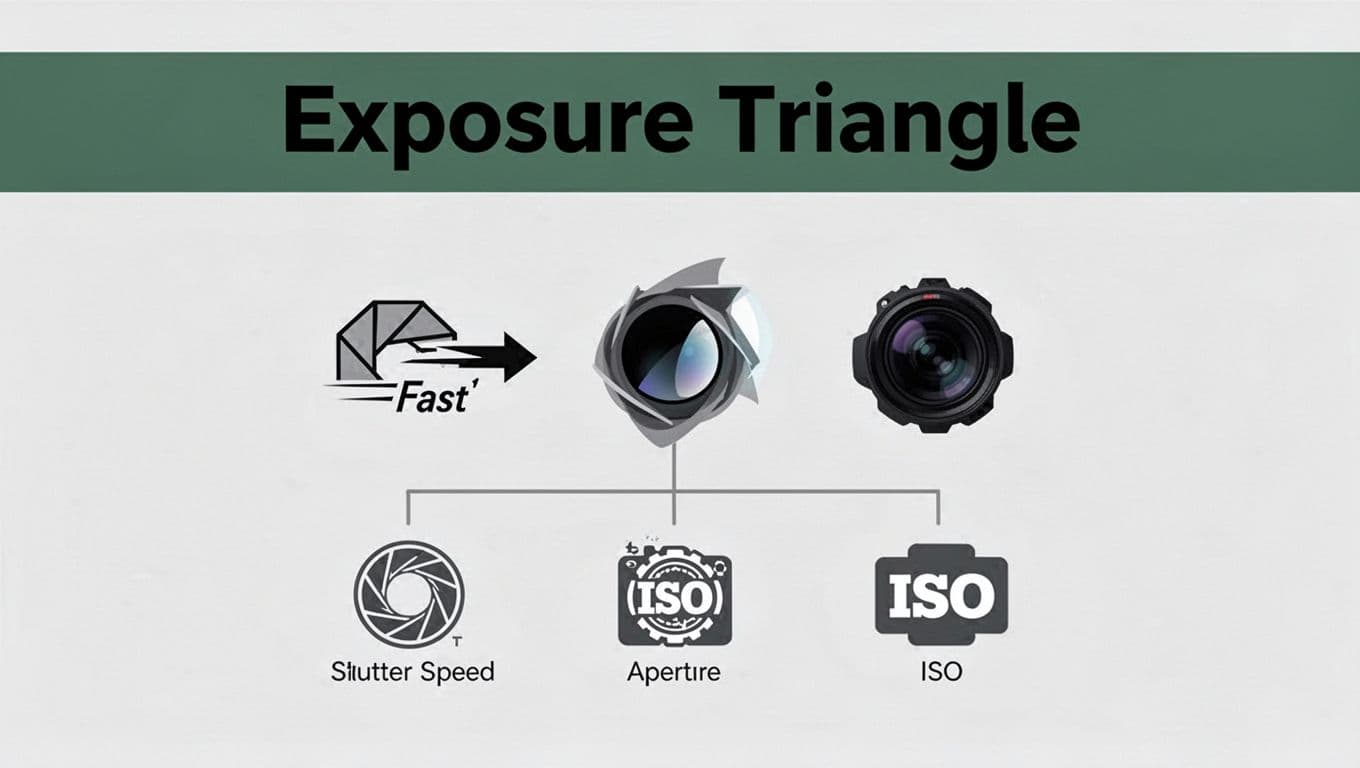
F.I.R.S.T. Institute explains the basics well in their shutter, ISO, aperture post.
Meter checks balance. Tripods aid slow speeds. Stabilization lets handheld go slower.
Practice auto first. Tweak from there.
Top Shutter Speed Mistakes That Blur Your Best Moments
Handshake hits slow handheld shots. Fix with 1/focal length rule or tripod.
Fast action underexposes easy. Up ISO or widen aperture quick.
Runners blur at 1/250. Double to 1/500 instead.
Forget subject pace. Birds need more than walkers.
Smart Tips to Control Shutter Speed Without Stress
Start in Aperture Priority. It hints shutter needs.
Raise ISO before slowing much. Noise beats blur.
Shutter Priority rules action. Histogram shows exposure truth.
Tripod experiments build skill. Review shots always.
Flicker reduction in new cameras smooths indoor lights.
Shutter speed freezes action or blurs it artfully. Adjust for fast subjects like sports or slow ones like waterfalls. Balance it in the exposure triangle for bright, sharp results.
Grab your camera today. Shoot kids at play. Find a stream nearby. Small changes yield pro looks.
Share your before-and-after in comments. What speed surprised you most? Subscribe for more easy tips.